Home / Property Types We Roof / Commercial Auto Dealership Roofing
Commercial Auto Dealership Roofing in Concord, NC
Assess dealership roofing in Concord around showroom leaks, service equipment and vehicle movement. We examine the assembly and define the corrective work.
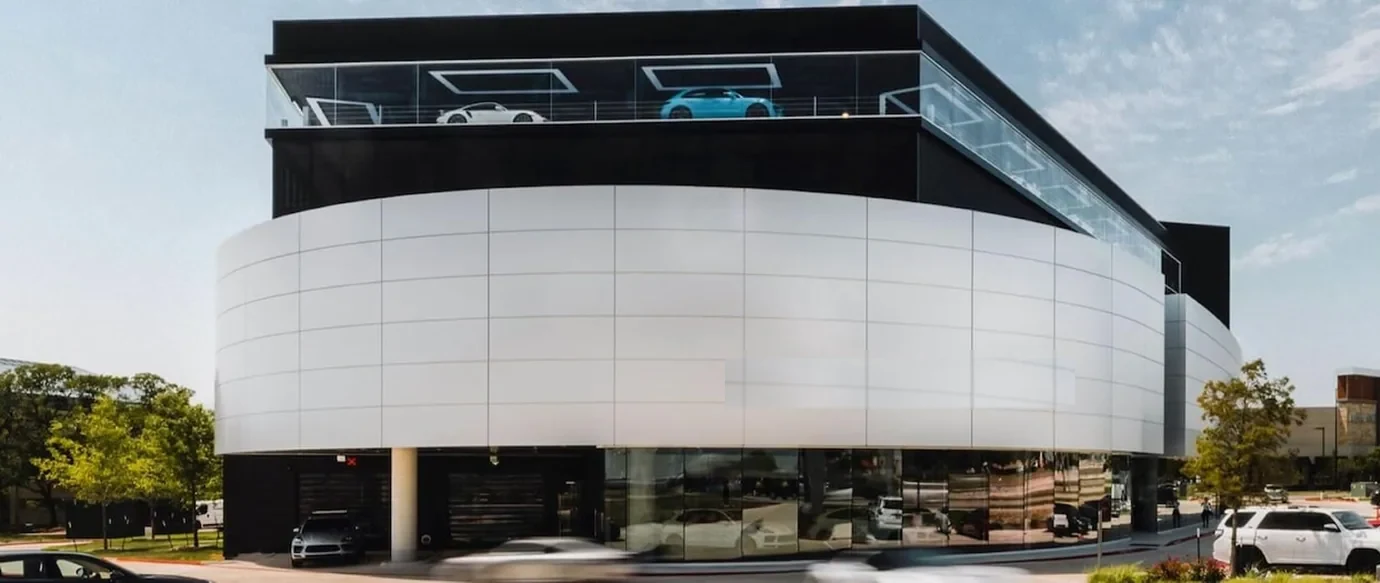
A service bay loses useful space when water reaches its working position. The correction needs to distinguish roof entry from equipment or piping moisture. We assess auto dealership roofing in Concord, NC. Showroom and service areas can present different roof connections and access needs. We inspect the relevant covering and adjoining details before selecting reconstruction. The responsible operator identifies the affected position and vehicle arrangement. A useful scope should explain the physical repair boundary and any participating service task.
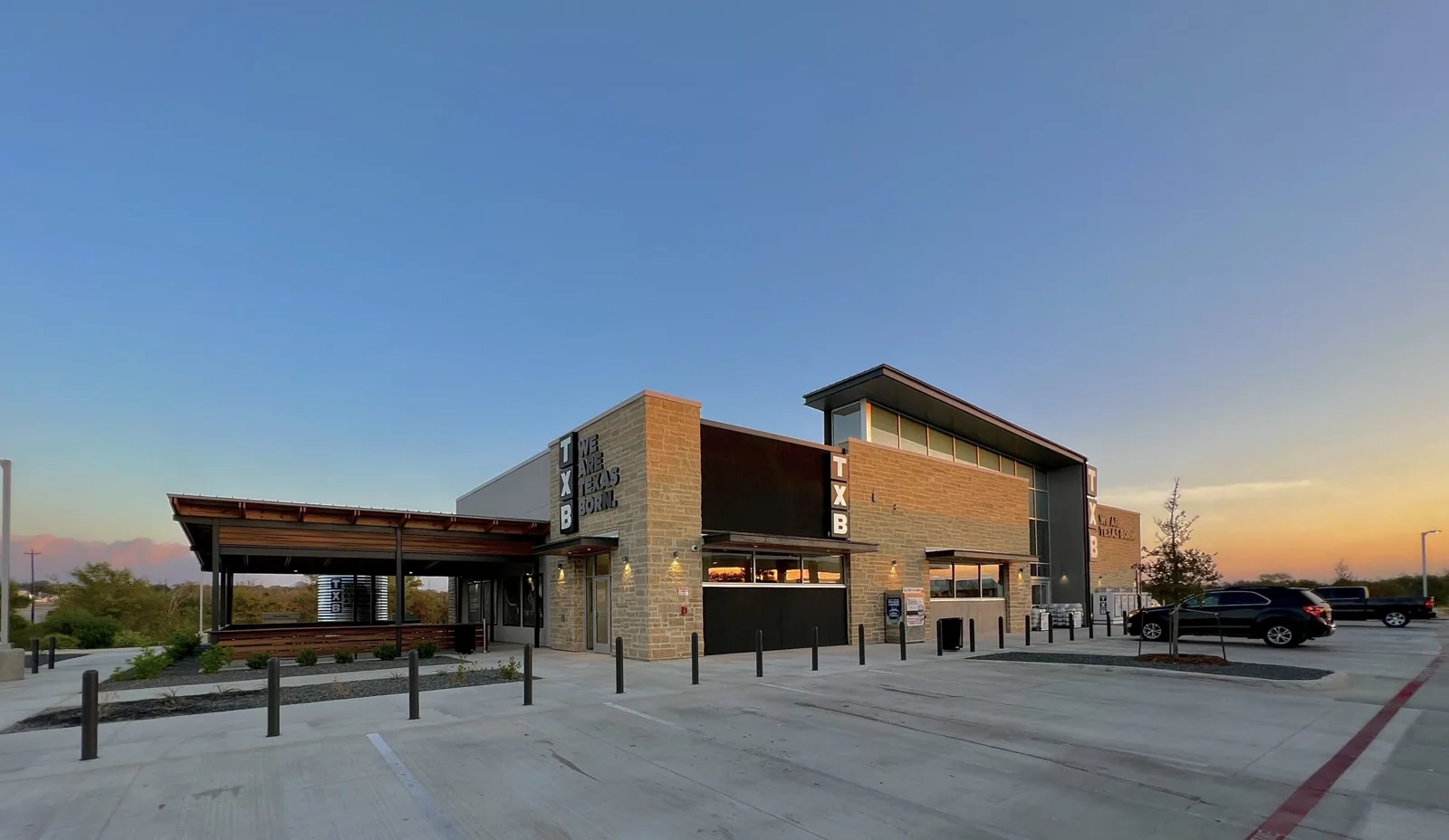
Auto dealerships are included in the Concord Entertainment Corridor's commercial mix. Concord's listed employers also include Hendrick. For regional properties, US 74 links Matthews with Charlotte and Monroe. The practical delivery route still needs review at the property. We discuss the actual property and available approach. A dealership roof water-entry assessment follows the reported symptom into accessible assembly conditions. The operator should describe timing and related rooftop activity. Permanent work then addresses the identified connection. Vehicle handling and occupied-space arrangements need to fit that task.
Separate the showroom and service-area findings
Water near a showroom display can require a different access arrangement from moisture in a workshop. The operator establishes how vehicles, people and affected equipment will be handled. We explain the roof examination and any useful interior observations. A visible ceiling mark may lie away from the roof opening. The visit needs to consider connected seams, outlets and equipment details. We do not select a permanent patch solely from the indoor position. Its actual cause needs a supported physical finding.
Showroom protection needs to be tied to the proposed opening above it. For large retail roof work, the operator identifies merchandise positions affected by removal. The dealership should likewise establish where displayed vehicles can remain during its selected task. Service-bay reconstruction may require equipment clearance before a hidden termination can be reached. Roof work above operating machinery also needs that connection between clearance and repair extent. We identify the service-bay supports and covering involved. Wet backing may enlarge the necessary opening, so the vehicle arrangement must reflect the supported reconstruction boundary.
Coordinate service equipment at its roof connection
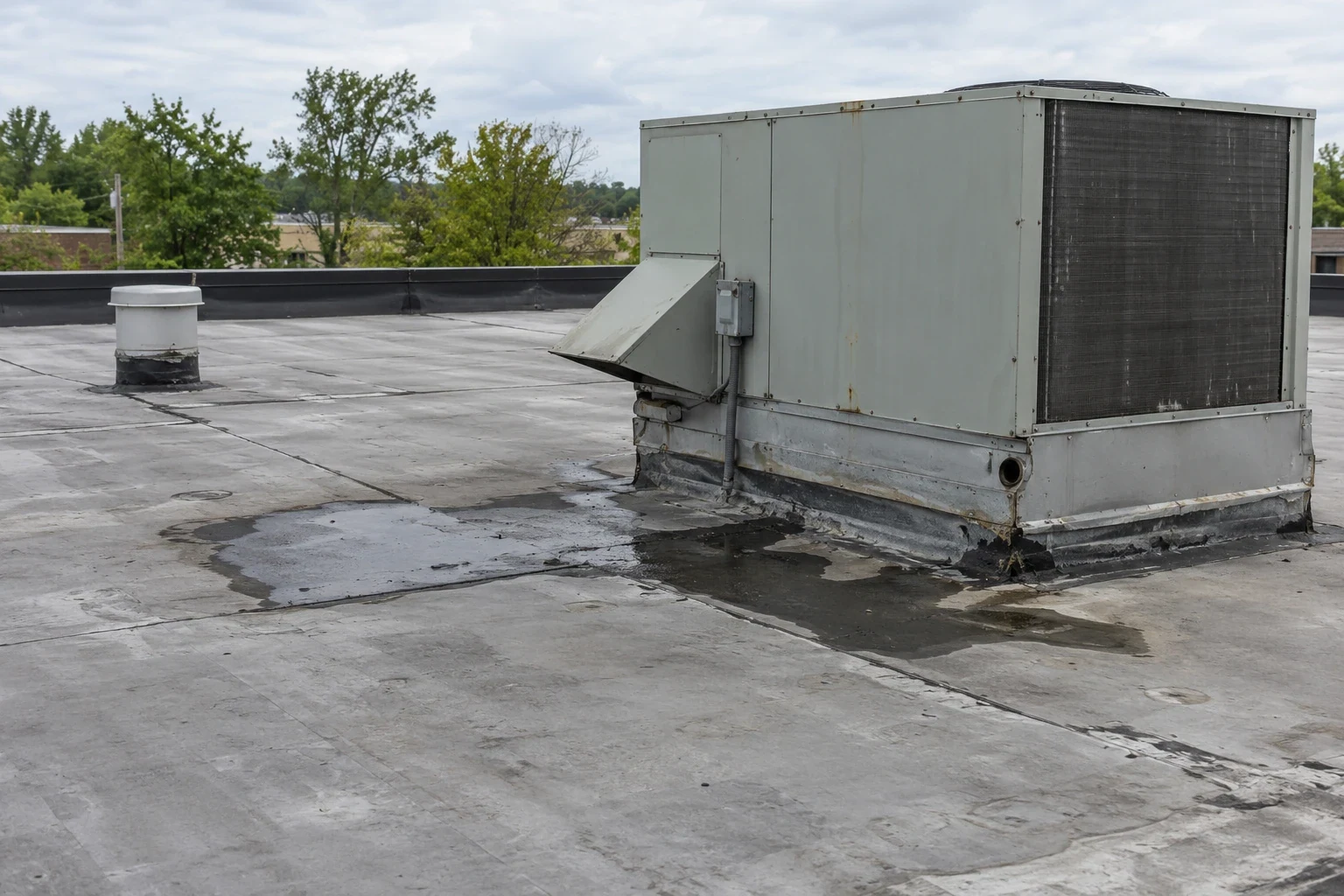
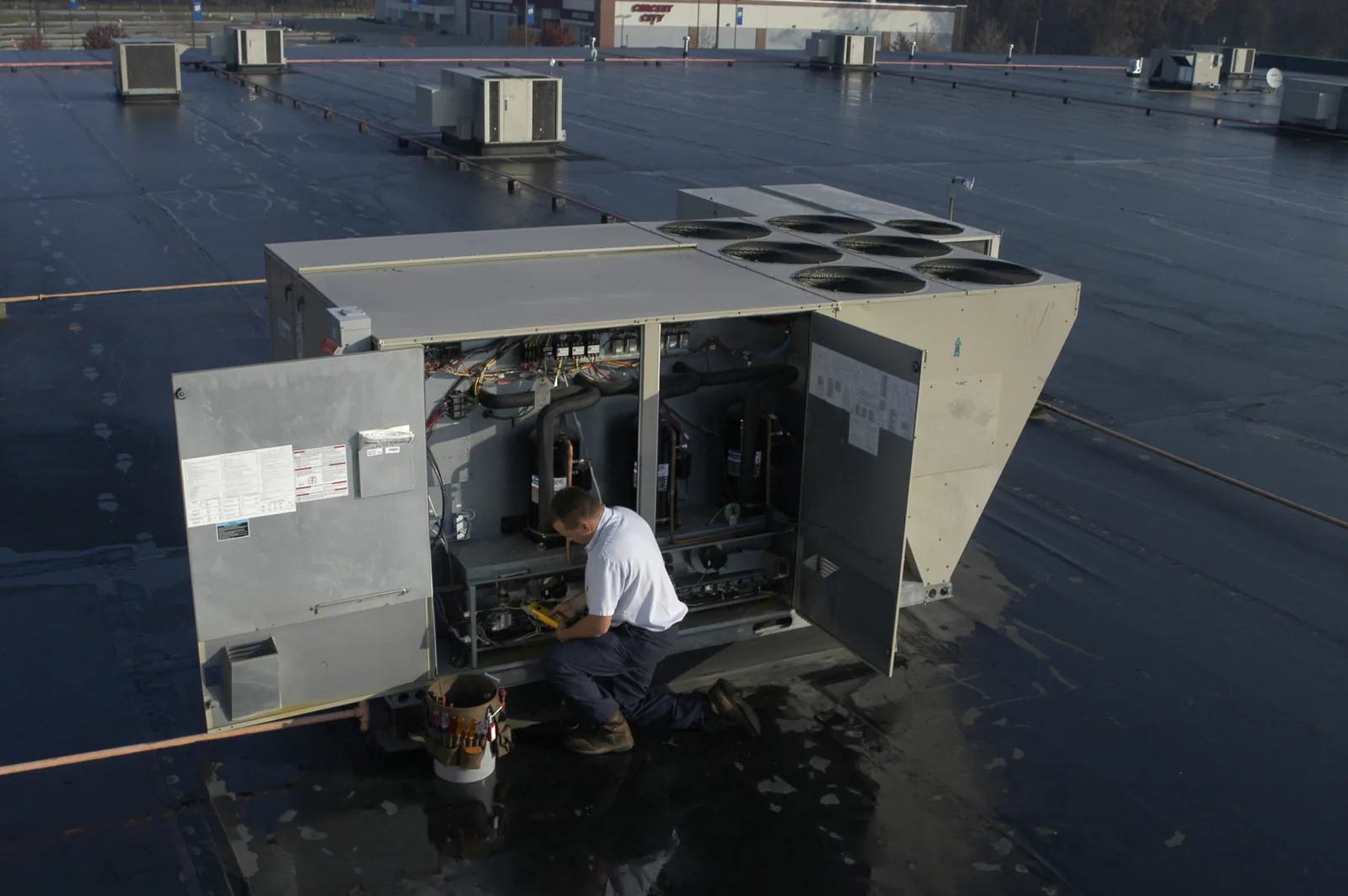
Ventilation and service lines can interrupt the roof above working bays. We examine accessible flashing, supports and adjoining material. Equipment clearance may limit how completely a termination can be reached. Its responsible participant can need to lift or disconnect a component. The operator should understand that dependency before reconstruction is scheduled. A new finish along the visible edge has different limits from rebuilding the concealed interface. The scope should identify the connection reached and the service participation needed to complete it.
A component can also introduce water independently of a roofing defect. We compare reported timing with accessible roof condition while the appropriate service participant examines its equipment. Condensate arrangements, loose supports or changed pipe positions may need their own task. Dealership rooftop interface coordination can clarify the roofing side. Added equipment needs compatible details before its installation is considered complete. Later visits should preserve those connections. The operator should know when a proposed service alteration requires roofing attention rather than leave an unsupported opening beside a new component.
Review the handling zone before materials arrive
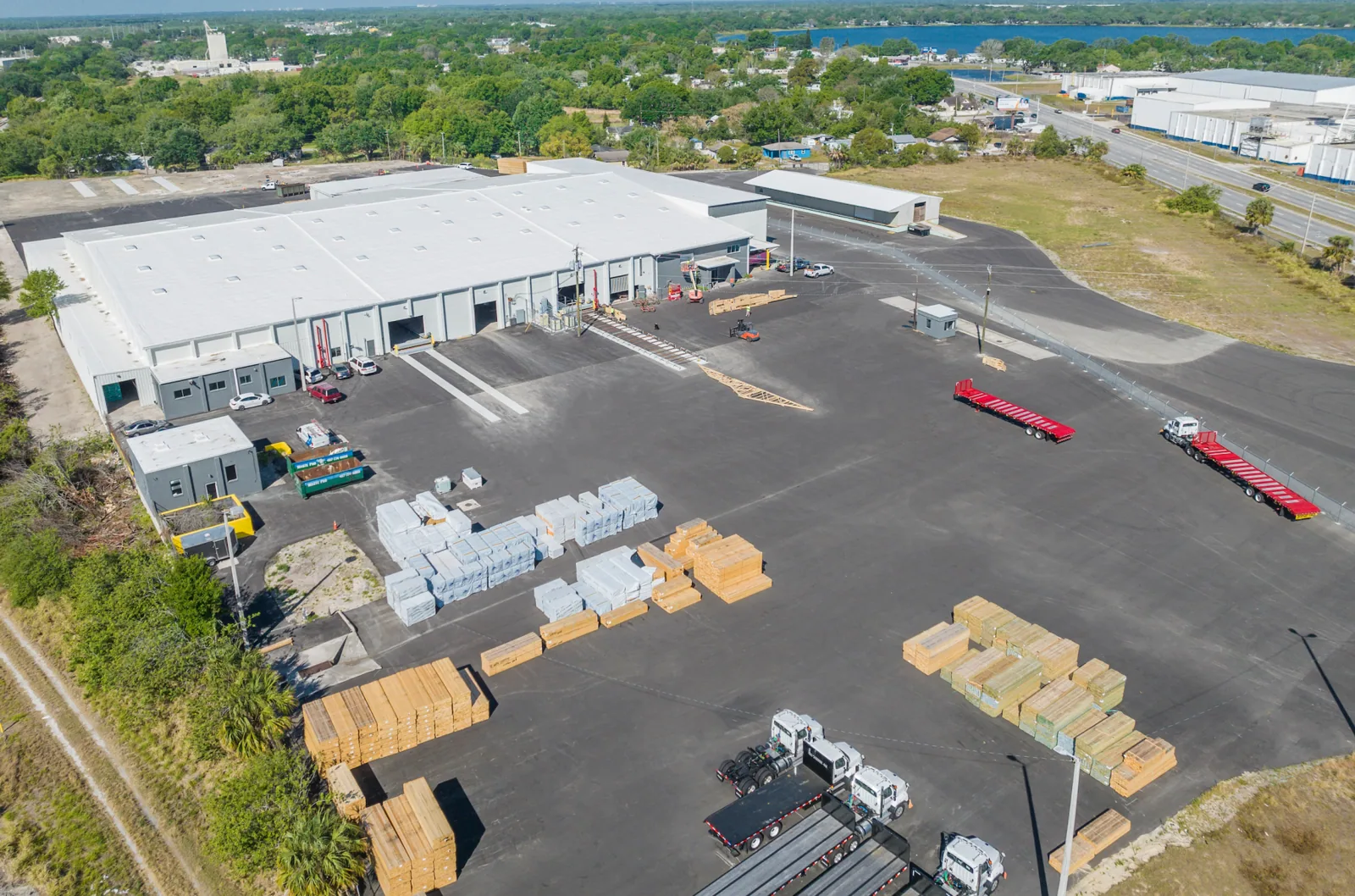
Inventory parking and customer vehicles can occupy the approach useful for roofing. The operator should identify the proposed clearance area before delivery. We explain lifting, removed material and staging needs. The handling method may affect space beyond the delivery vehicle itself. Pedestrian access and required exits need an appropriate arrangement. A convenient open bay may still be unsuitable for the intended task. The plan should connect vehicle movement with the actual roofing method. Those decisions belong before material reaches the property.
At a dealership in the Concord Entertainment Corridor, we review the actual entrance and service drive. The operator identifies where customer and service vehicles can move during the handling window. The owner should understand any adjustment to the work zone as roofing proceeds. Weather can change the useful application or exposure window. Concealed damage may enlarge the reconstruction area. We explain those dependencies with the operator's vehicle arrangement understood. Temporary protection needs a boundary suitable for the exposed assembly. A broad promise about unchanged operation would not describe that practical work sequence.
Examine runoff around canopy and roof transitions
Water near an outside service approach may come from an edge or collector connection. We inspect the relevant roof-to-wall and discharge details. A blocked outlet needs a different response from a loose joint. An adjoining canopy can introduce another transition requiring examination. Its construction should be established at the actual property. A retained depression may require changes beneath the covering to establish a useful fall toward discharge. Piping or capacity questions can require appropriate professional review. The proposed task should identify those boundaries rather than place every symptom within a surface patch.
Cabarrus County experiences occasional winter ice or snow. Seasonal obstruction can affect runoff observations without proving the cause of a particular leak. Report where water collects, spills or enters during relevant conditions. Dealership standing-water evaluation can define a necessary roof correction. The completed discharge should remain accessible for care. Service debris needs control near outlets. The operator should understand which areas require continuing observation. An unobstructed strainer cannot compensate for a damaged collector connection or a retained depression elsewhere on the roof.
Choose the project boundary from the retained assembly
Several recurring defects can justify a broader condition examination. We assess the material proposed for retention, including moisture and supporting layers where examination is authorized. An isolated repair may remain useful if its adjoining assembly can receive a sound connection. Wider deterioration can favor renewal. Dealership reroofing evaluation should compare those boundaries clearly. Added insulation may alter equipment and wall relationships. Drainage changes can also become necessary. Those related tasks belong in the full proposal alongside the covering selection.
The daily removal area needs an appropriate protection and reconstruction sequence. The operator should understand its effect on showroom or service use. Unexpected concealed condition can change the necessary material work. We explain that dependency before exposure begins. Handoff information should identify corrected details and continuing equipment tasks. Future service visits need to preserve the installed roofing. A new water report should identify the affected position and timing for examination. The completed scope should remain distinguishable from interior restoration and other work handled by separate participants.
Commercial Roofing Questions
What information helps assess water above a dealership service bay?
Describe the affected working position, rain timing and related equipment activity. We examine the relevant roof covering and details. A service participant may need to investigate another water path. The operator should establish an appropriate vehicle and equipment arrangement for access. The proposed repair should follow the identified roof connection rather than assume the nearest ceiling mark locates it.
How should vehicle inventory enter the roof delivery discussion?
Review the actual staging and lifting positions before materials arrive. We describe the handling boundary for the proposed method. The operator identifies which vehicles and pedestrian routes need another arrangement. The zone may extend beyond the delivery position. Weather or changing roof conditions can affect its use, so adjustments should be coordinated as the work advances.
Can a new roof surface resolve every service-equipment leak?
The equipment and roofing interfaces need separate consideration. We assess accessible flashing and adjoining material. Its responsible participant should examine components where findings point to another water path. Clearance or disconnection may be needed for reconstruction. A new covering cannot establish that every mechanical condition was corrected or every concealed termination was reached.
When should a dealership compare repair with a wider reroofing scope?
Consider broader examination when symptoms recur or deterioration extends beyond one useful connection. We assess retained layers, attachment and necessary detail work. Wet material or weak backing can enlarge removal. The proposal should explain why the selected boundary fits the current assembly. Material choice alone does not establish whether repeated localized corrections remain an appropriate approach.
Assess the dealership roof and work zone
Arrange a Concord dealership roof assessment. Identify the affected showroom or service position, equipment contact and vehicle access so we can examine the roof.