Home / Roofing Manufacturers / Versico Commercial Roofing
Versico Commercial Roofing in Concord, NC
Plan Versico commercial roof work in Concord, NC, by checking membrane type, attachment, field seams, perimeter details and occupied-space needs.
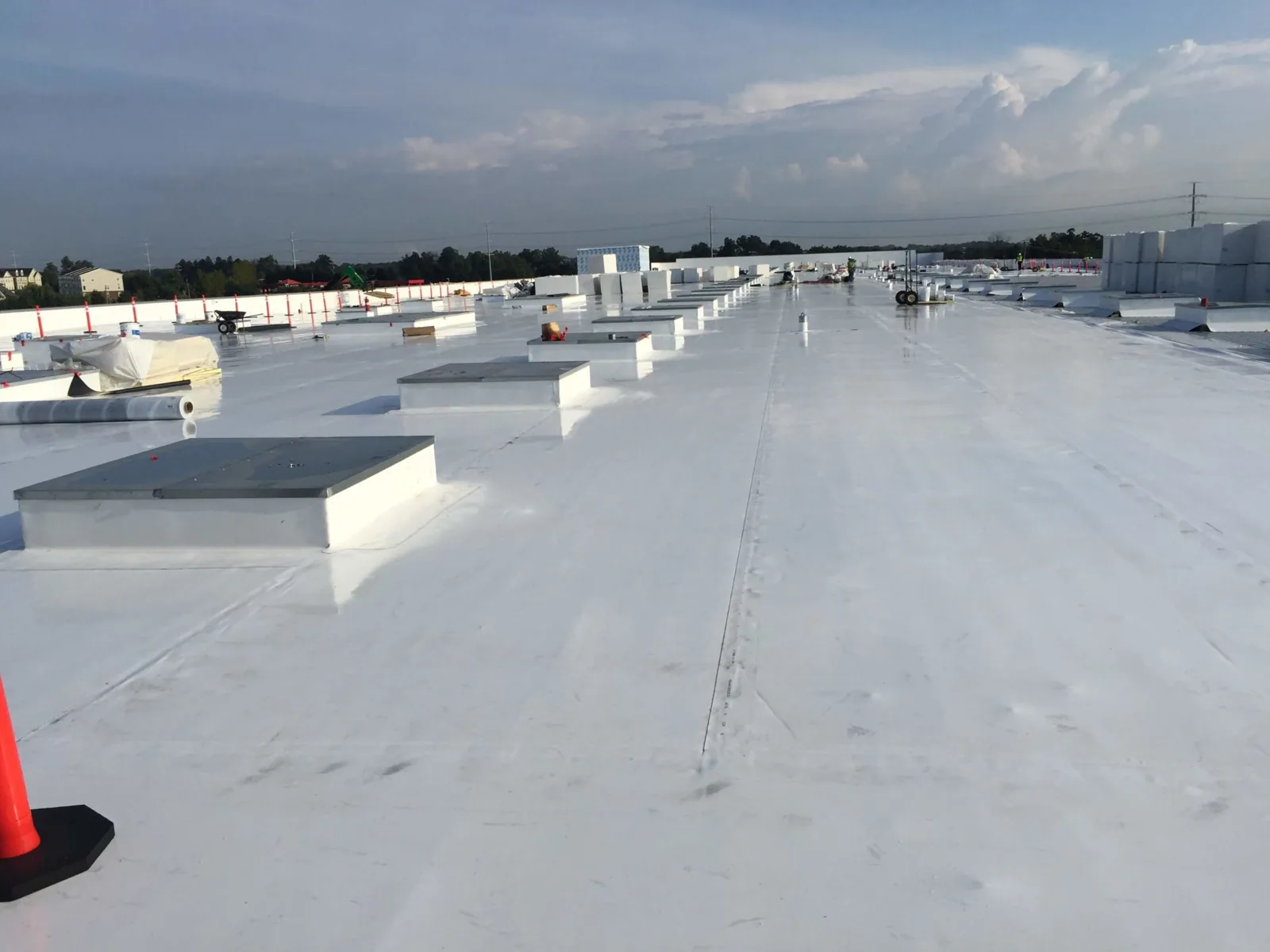
A roof leak over a service desk can disrupt appointments before the source is located. We trace the water path and identify the membrane before choosing a Versico repair. Versico offers EPDM, TPO, PVC and fleece-reinforced membrane options. Each still has to match the roof assembly. The roof needs those components to work together. We inspect the deck, attachment, seams and transitions before recommending repair, recover or replacement. Concord, NC, buildings also need a work sequence that respects the room below. Carlisle SynTec systems offer a related comparison for single-ply assemblies.
Find the failing connection
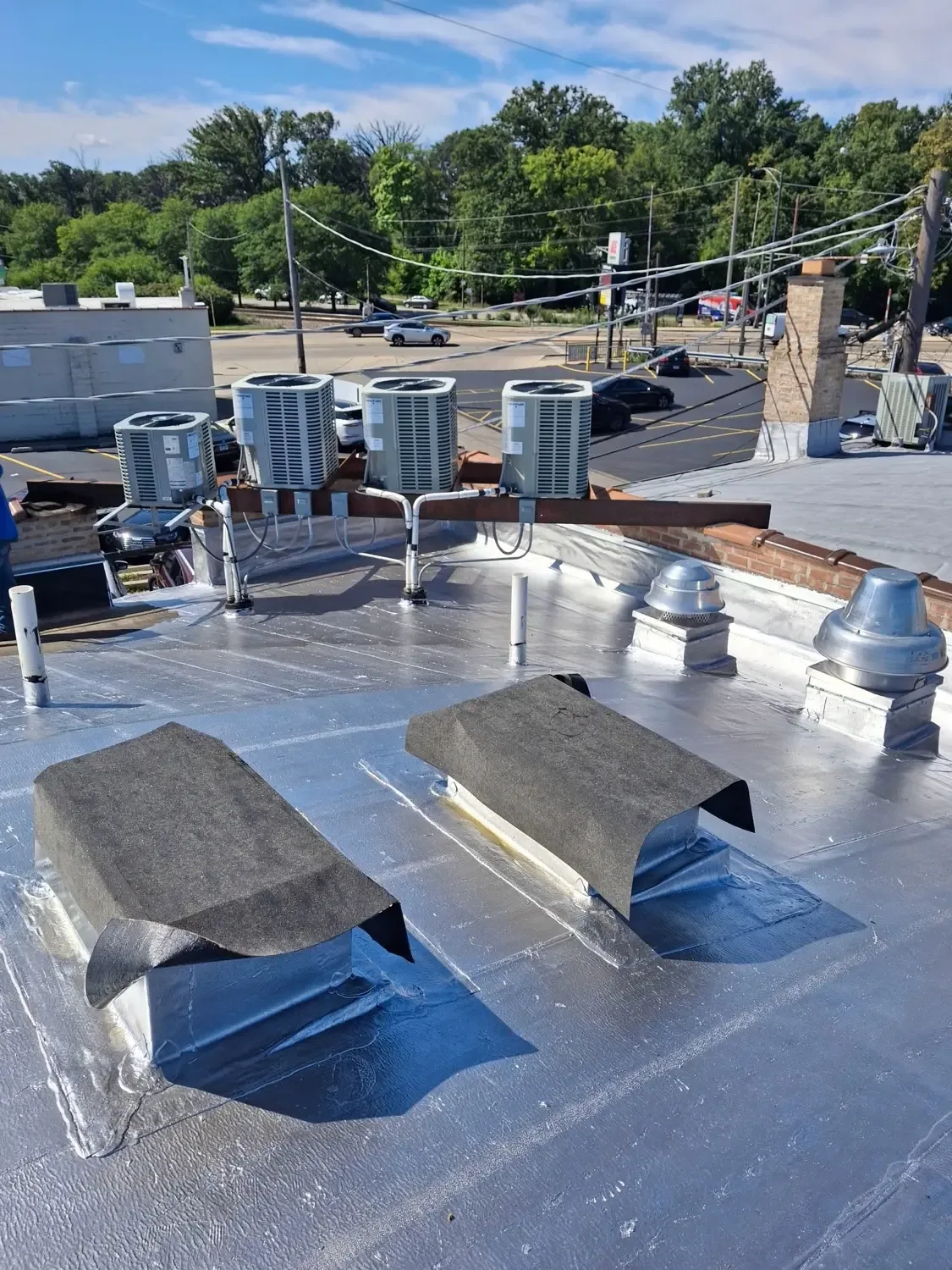
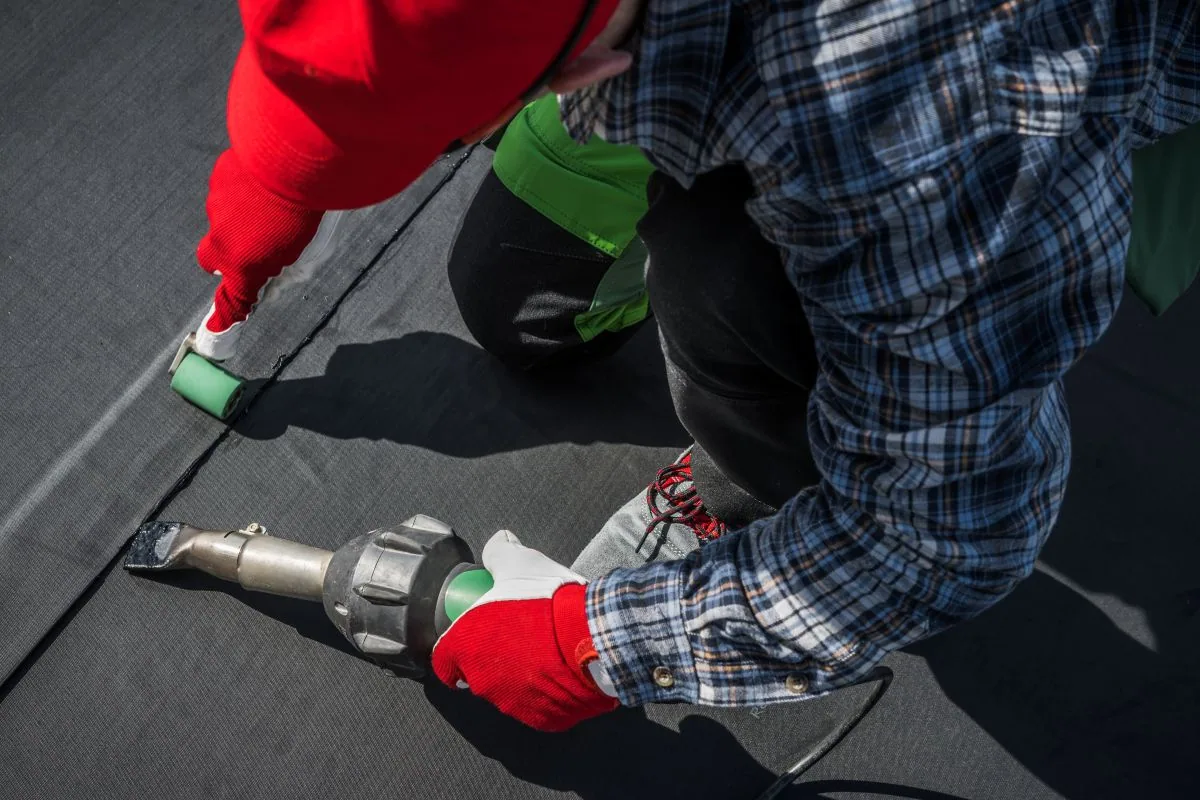
We inspect membrane seams, curb flashings, wall transitions, drains and previous repairs. VersiWeld TPO, VersiFlex PVC and VersiGard EPDM require different joining methods. TPO and PVC seams are heat-welded; EPDM uses compatible seam and patch materials. The surface must be prepared for the material in place. A defect near a curb may extend into wet insulation or loose attachment, so we check beyond the visible opening. TPO roof assemblies can be reviewed against the installed conditions, not selected from a product name alone.
International Business Park is a Concord business district near I-85 Exit 55 with mixed-use development. A repair may affect a loading route or active room even when only one roof section is open. We confirm where the water is entering, what lies below the work area and which access route the property allows. The written scope identifies the repair boundary and any testing still required.
Match membrane and attachment
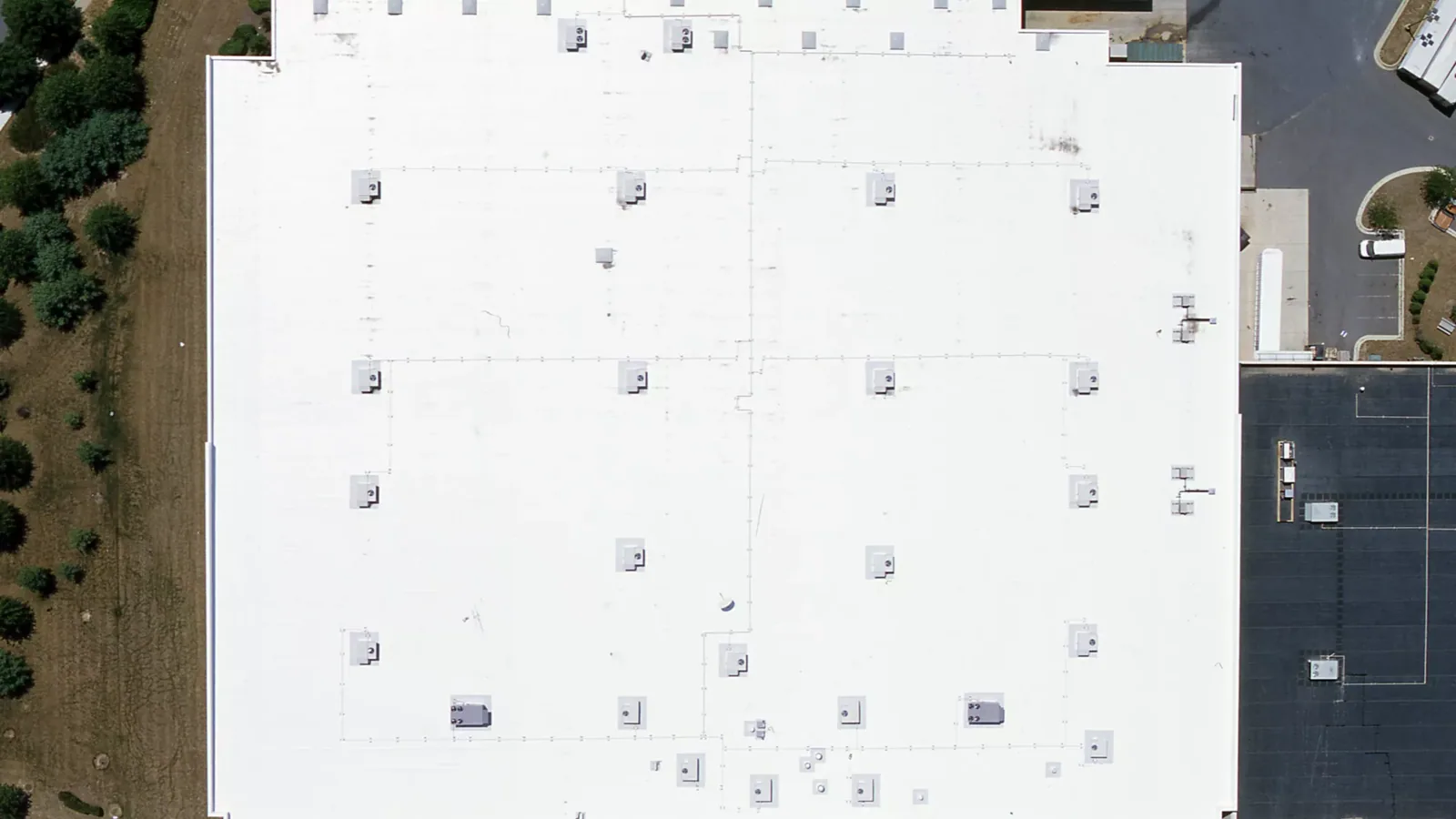
Versico’s TPO, PVC and EPDM assemblies include different attachment options. The deck, insulation, perimeter, slope and wind design influence which system can be considered. Fleece-backed membrane changes the interface with the substrate. We review records, inspect representative roof areas and confirm what can remain. If attachment is unknown, we identify the opening or documentation needed before pricing. Sika Sarnafil PVC systems provide a separate comparison when a project centers on thermoplastic membrane and welded seams.
Concord’s Entertainment Corridor includes retail, hotels, restaurants and auto dealerships. Equipment locations and service hours may affect where materials can be staged and how crews reach the roof. We compare the roof’s actual traffic patterns with the proposed assembly. The right scope also identifies which penetrations may be disturbed by another trade and who restores each final flashing detail.
Inspect every seam transition
Heat-welded seams need clean surfaces, consistent pressure and a controlled temperature. We check the lap along the field and at corners where the membrane changes direction. A probe can identify an open section that a quick visual glance misses. At drains and curbs, we check whether flashing ties into the field sheet and terminates securely. If equipment work is scheduled, the proposal assigns roof closure and final flashing before the unit is lifted. Edge metal and coping also need to connect with the membrane detail rather than leave a weak perimeter.
The Concord planning area follows US 29 and US 601. The plan does not determine a roof assembly, but it gives us a starting point for discussing delivery access, traffic and repair staging. When work opens a roof, temporary dry-in and clear drainage matter before the crew leaves. We split the roof into sections and set a closeout point for each shift. If wind or rain conditions change, the crew can secure the open area instead of relying on a broad tarp over unfinished details.
Protect rooms during the work
Fasteners can create noise below; adhesive work can involve odor and ventilation limits. We identify those effects before scheduling the roof zone. The property contact tells us which rooms, entrances and equipment must remain in use. We stage materials along an approved path and coordinate any lift, roof hatch or loading area. Each section has a planned opening, inspection and dry-in time. That information helps staff set tenant notice and protect sensitive contents.
City planning describes the Weddington Road area as a place where industrial facilities and parks meet established and newer neighborhoods, with greenways and key intersections crossing the corridor. Its small-area plan addresses retail and other commercial uses. A nearby property still has its own traffic and roof access conditions. We confirm delivery timing, roof hatch clearance and the room under the active zone. Work near the Weddington Road corridor can be divided around those limits, not a presumed standard schedule.
Define the materials in the bid
Removal, wet insulation, deck repair, edge metal and flashing change project cost and duration. We list the observed condition, work included and any allowance where concealed layers remain unknown. A recover is possible only when moisture, attachment, deck and edge height allow another assembly. A replacement may be clearer when failures span multiple details or layers. The scope names the Versico system components, insulation, attachment and transitions that will be installed.
Current manufacturer requirements should be checked for the exact membrane and configuration. We verify the product and detail before ordering materials, then keep the installation sequence aligned with the approved scope. North Carolina’s current building code series remains a permit-review item while the state transitions toward 2024 codes. We confirm the applicable edition for the project instead of relying on a prior roof file.
Keep future visits specific
Closeout compares the welded joints, flashing, perimeter and drainage details with the written scope. Photos show the repair boundary and roof features that are difficult to view from the ground. The closeout record identifies the membrane type, attachment method, products used and any open maintenance item. If a later equipment visit could affect a seam or curb, facilities staff can point the trade to the completed detail.
Maintenance can focus on drains, service paths, penetrations and areas previously repaired. We look for punctures, open laps or changes made by other trades. A repair record should also identify the roof section, the transition addressed and any material compatibility question that remains. Those details help a facilities team avoid treating a later leak as the same defect when it appears in another area. A roof condition report can preserve the findings between visits. A commercial roof inspection helps when the system records are incomplete or the next capital decision is approaching.
Commercial Roofing Questions
Which Versico membranes are used on commercial roofs?
Versico lists EPDM, TPO, PVC and fleece-backed membranes. The exact assembly also depends on insulation, cover board, adhesive or fasteners, deck and perimeter details. We confirm the materials installed before recommending a repair or new system.
Does Versico TPO use a different repair method from EPDM?
Yes. TPO seams are heat welded, while EPDM repairs use compatible seam and patch materials. We identify the membrane and prepare the surface accordingly. The inspection also checks whether moisture or attachment problems extend past the visible defect.
What is a fleece-backed membrane used for?
A fleece-backed sheet changes how the membrane interfaces with the substrate or adhesive. The roof deck, insulation, surface condition and attachment design determine whether that configuration fits. We check those layers before considering a recover or replacement.
Can the building remain open during Versico roof work?
We plan access, deliveries, work zones and temporary protection around the operating rooms. Noise and odor depend on the attachment method and the roof section. A staged schedule helps staff know which area is active and when it will be secured.
What should the closeout file include?
Keep the final scope, product identification, attachment, photos, repair locations and maintenance notes. Record equipment changes that affect the roof after installation. Those details help a future visit match the repair material and avoid reopening a completed transition.
Check the assembly before changing it
Arrange a Concord roof inspection and share repair history, roof records and the access limits for occupied areas.