Home / Roof Damage Repair / Commercial Hurricane Damage Roof Repair
Commercial Hurricane Damage Roof Repair in Concord, NC
Assess commercial roofs after hurricane-related wind and rain in Concord. We examine displaced details, water routes and layers needing reconstruction.
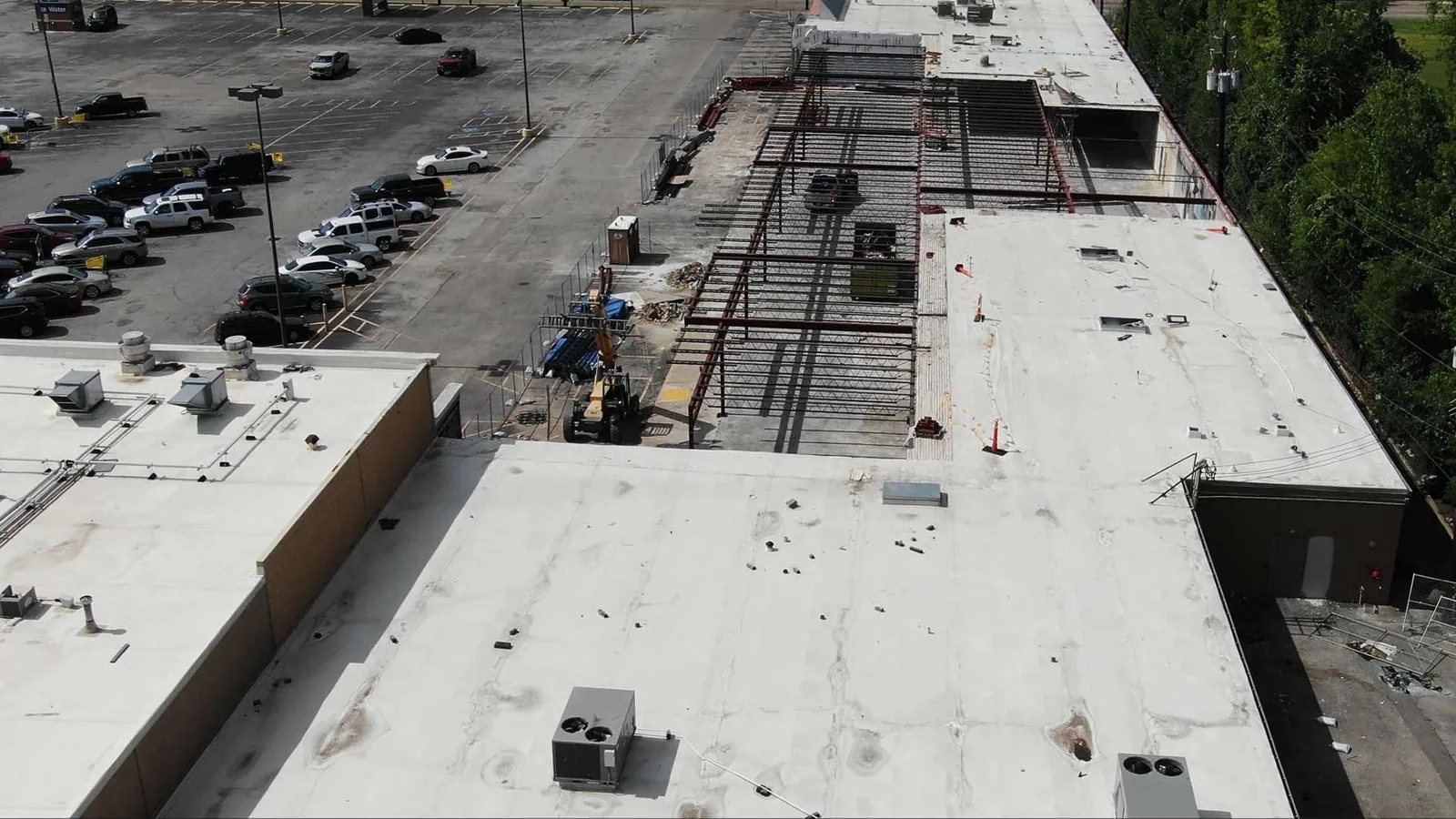
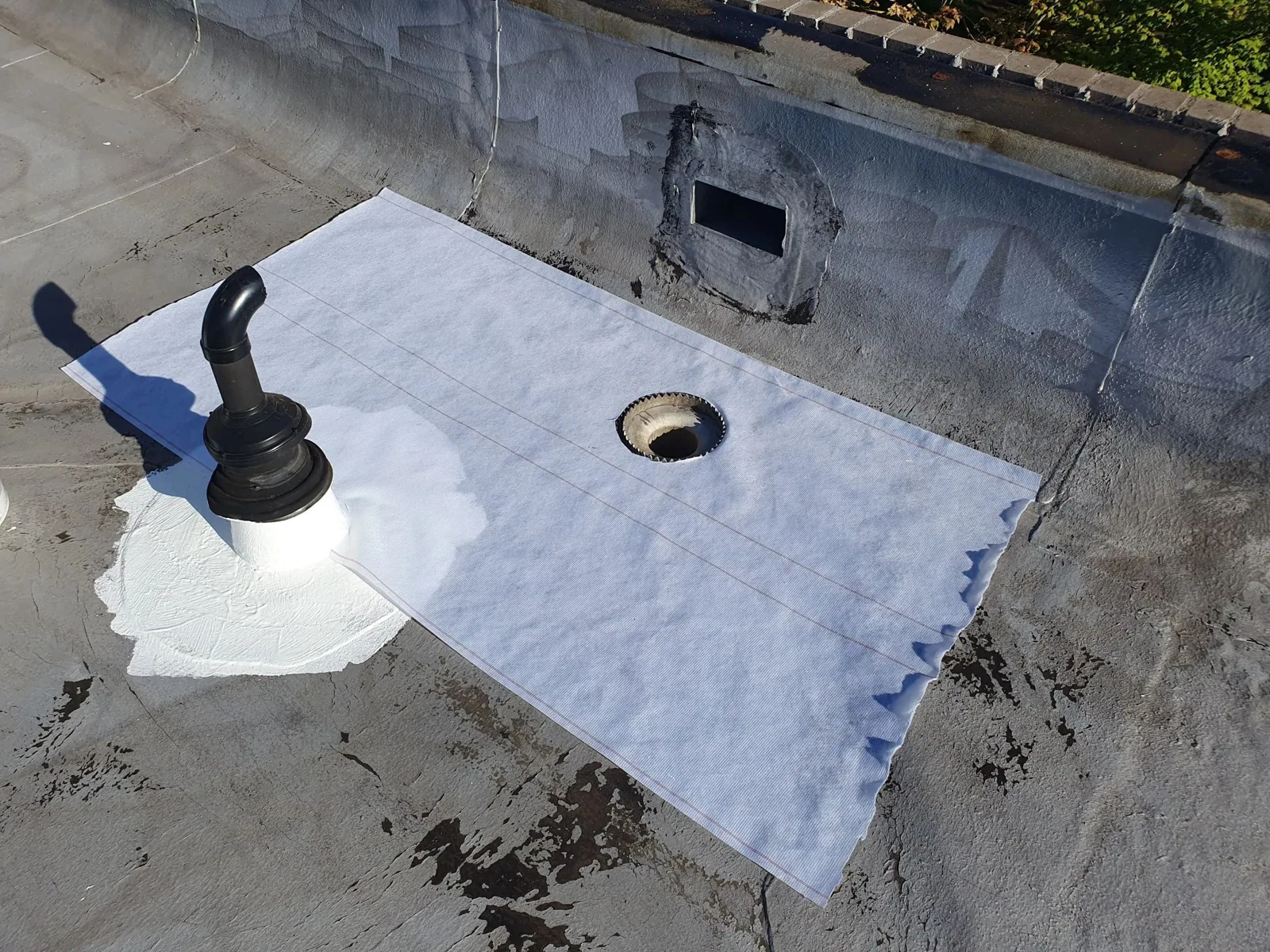
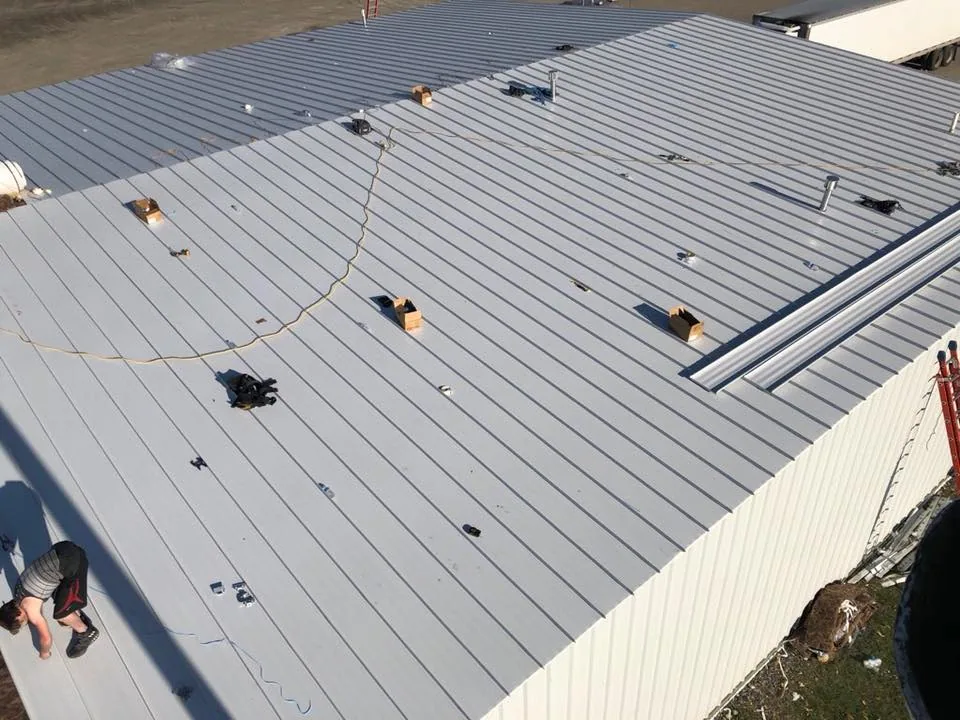
A displaced roof edge and a blocked outlet can create two different recovery tasks after the same storm. Repairing one may leave the occupied room exposed through the other. We assess commercial hurricane damage roof repair in Concord, NC. The visit follows accessible roof condition and reported water entry. We identify the connections needing correction and useful further assembly examination. Protection and handling must suit the area authorized for work. The operator should understand the immediate task and the permanent reconstruction needed. A broad surface application cannot reconnect every displaced component or restore obstructed discharge.
Helene affected the region September 25 through 27, 2024. Charlotte Douglas recorded a 57 mph gust during that event. After hurricane-related wind and rain, we examine displaced edges, accessible covering and discharge at the affected building. The Concord Entertainment Corridor includes hotels, restaurants and retail activity around the Exit 49 area. Concord Parkway and Coleman Boulevard planning also considers retail and commercial uses. Work at an occupied property needs coordination around its particular entrance and equipment arrangement.
Define the protected area before permanent removal
The operator identifies occupied positions affected and restrictions around the building. Loose material or damaged construction may limit roof access. Appropriate participants need to address unsafe conditions before examination proceeds. We identify the practical roofing boundary within that access arrangement. An immediate roof protection task may address an exposed area while reconstruction is evaluated. Its method needs suitable receiving condition and a workable handling route. We explain what is protected and which permanent tasks remain. Protection should not conceal an unresolved connection from the subsequent examination.
Several rooms can report water through different paths. We review location and useful timing with the operator. Accessible examination follows those observations to roof areas and connected details. A damaged wall, equipment interface or piping condition may require another participant's task. The roofing scope should identify that dependency. Material staging also needs attention where entrances or service approaches remain occupied. The first task should preserve a practical route for further examination rather than block the detail that still requires reconstruction.
Rebuild displaced edges with suitable receiving construction
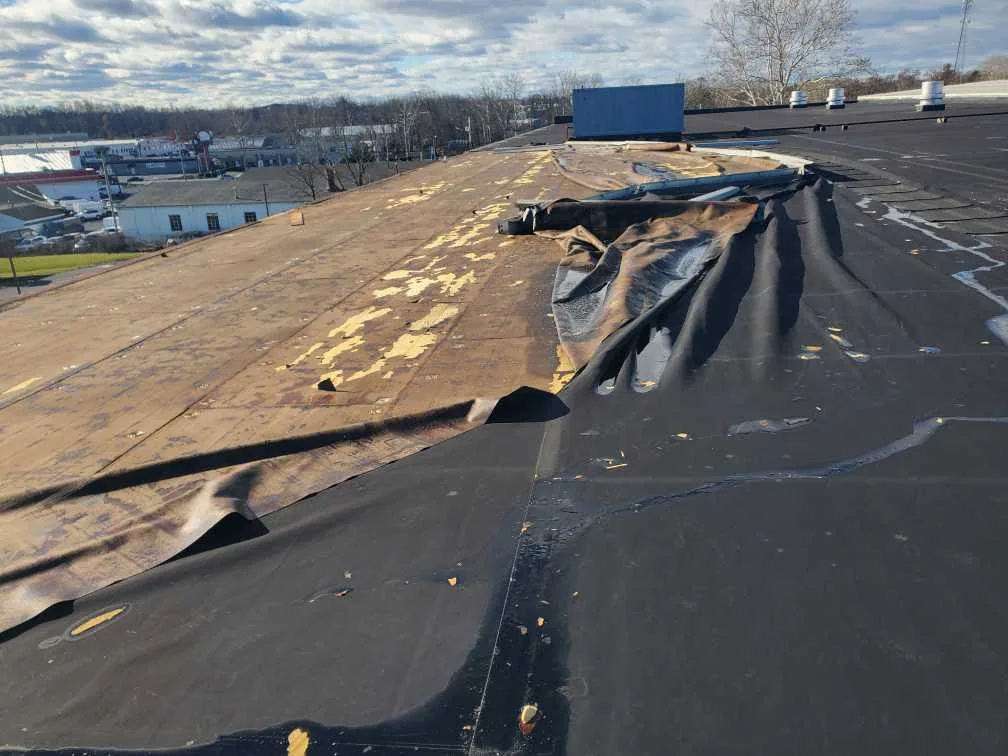
A lifted metal component can expose backing or the membrane termination beneath it. We examine the accessible attachment and receiving material. Returning the component to its former position may leave a damaged fastening area unchanged. The proposed reconstruction should identify preparation and attachment suited to the installed detail. Adjoining covering may require its own tie-in. We explain which parts can remain and which need removal. Appropriate professional review is useful where supporting construction or the proposed connection extends beyond the established roofing scope.
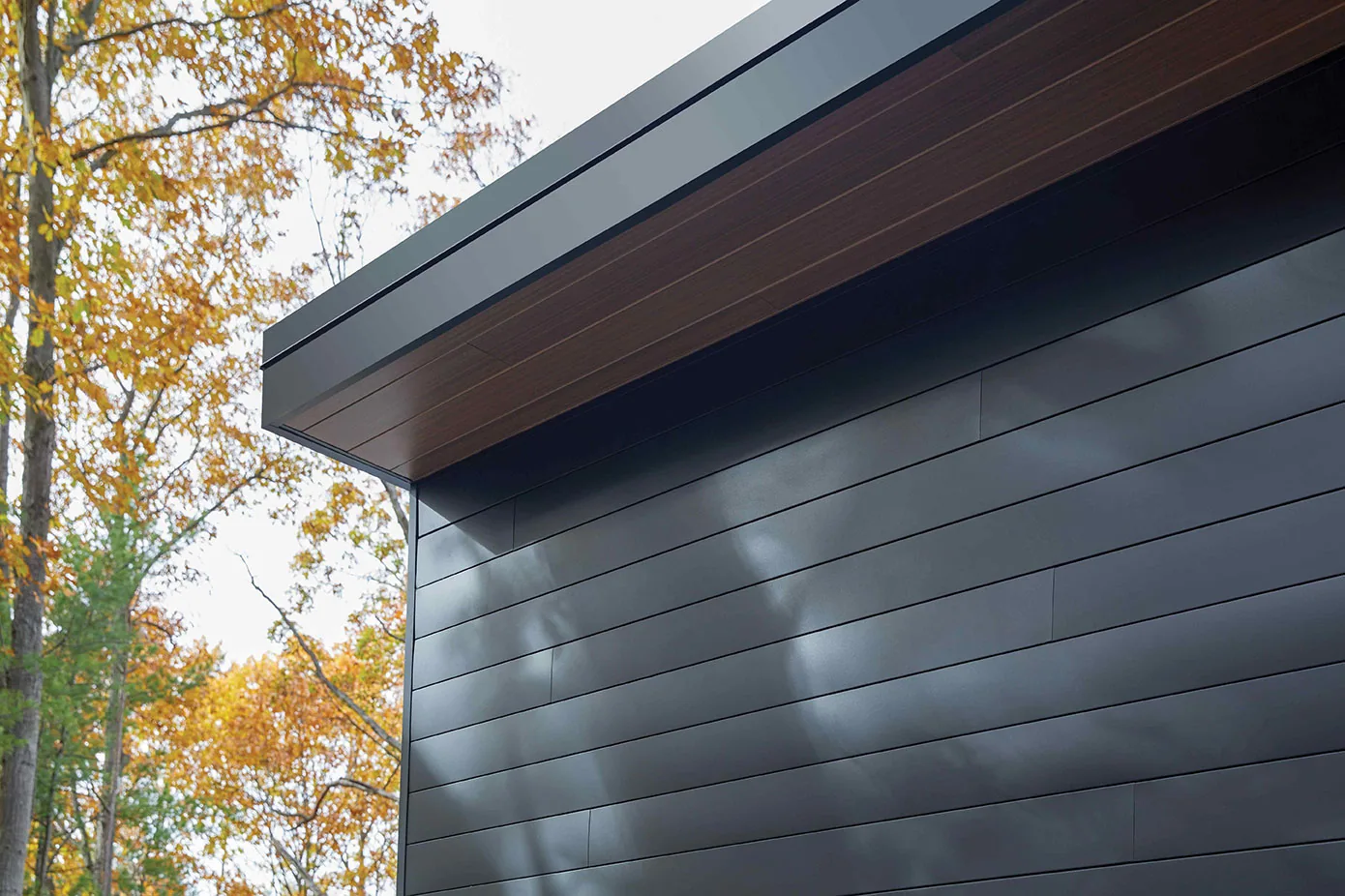
Correction of wind-displaced roofing can address loose covering and attachment near the edge. Perimeter metal and coping work should coordinate the exposed transition with its receiving construction. Several connected components may need a combined sequence. A wall-side entry path can remain even when the metal looks straight again. The owner should understand the assembled detail being rebuilt. The task needs more than a replacement component name or another fastening attempt in deteriorated material.
Examine collection and discharge after debris movement
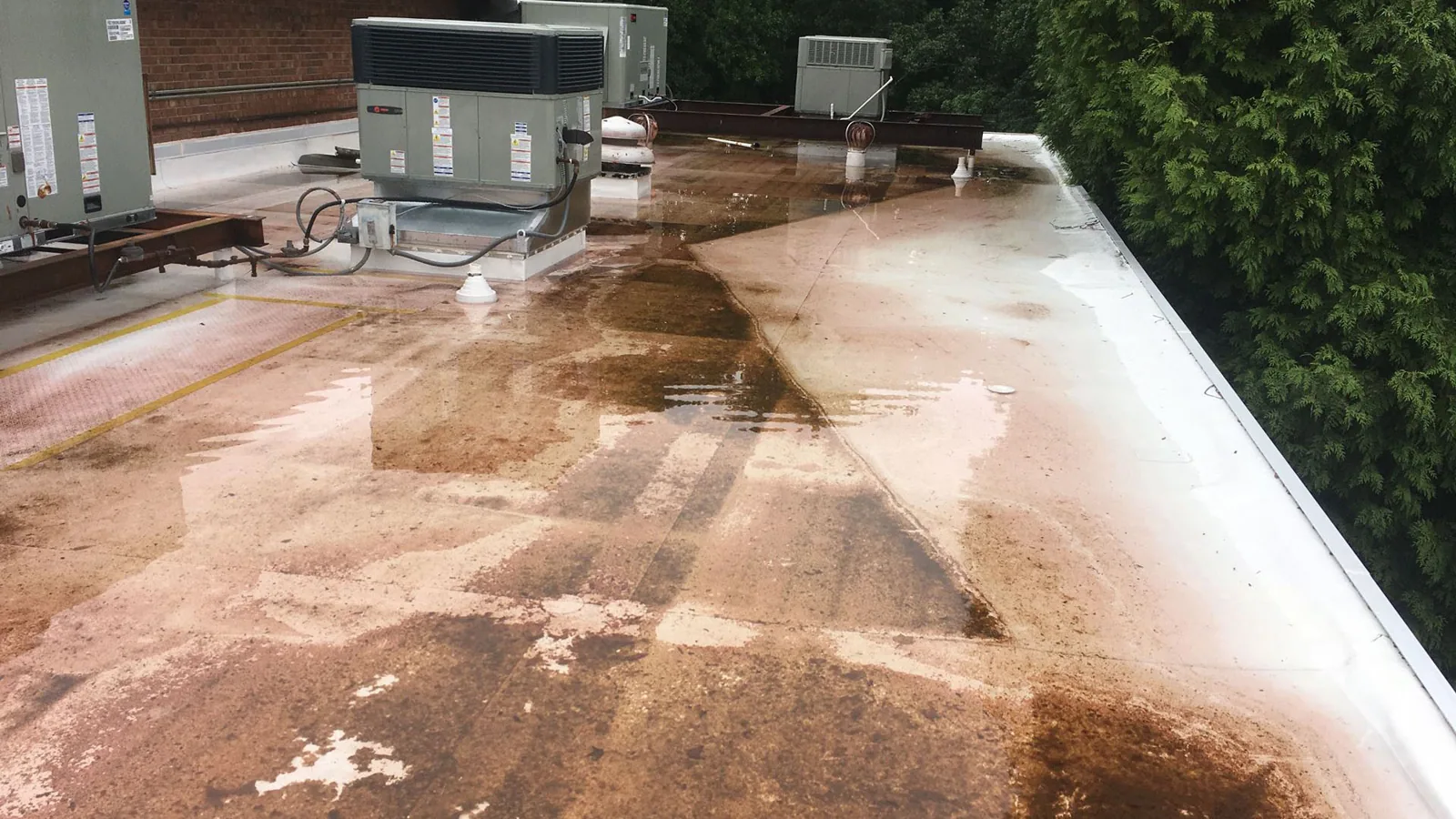
Loose storm material can restrict an outlet or collector. We assess accessible discharge and the adjoining covering connection. Clearance may restore runoff without repairing a damaged flange. A downstream restriction can require separate piping attention. The examination should distinguish those conditions. Repair of a storm-affected collection area may involve profile work where retained water does not reach an open outlet. We explain the actual correction rather than assume every low area is caused by loose debris. The owner should understand any separate discharge review needed.
Backup can expose seams and transitions while ordinary runoff is interrupted. We inspect relevant details and reported indoor positions. Reconstruction at an outlet connection should meet usable surrounding roofing. Added material or a revised profile may affect the detail height. Those relationships need consideration before installation. The selected task should reconnect covering and discharge appropriately. Continued equipment activity also needs coordination so service debris does not obstruct the corrected route. A new roof surface will not clear an inaccessible restriction beneath the collector.
Assess retained layers around the exposed roof area
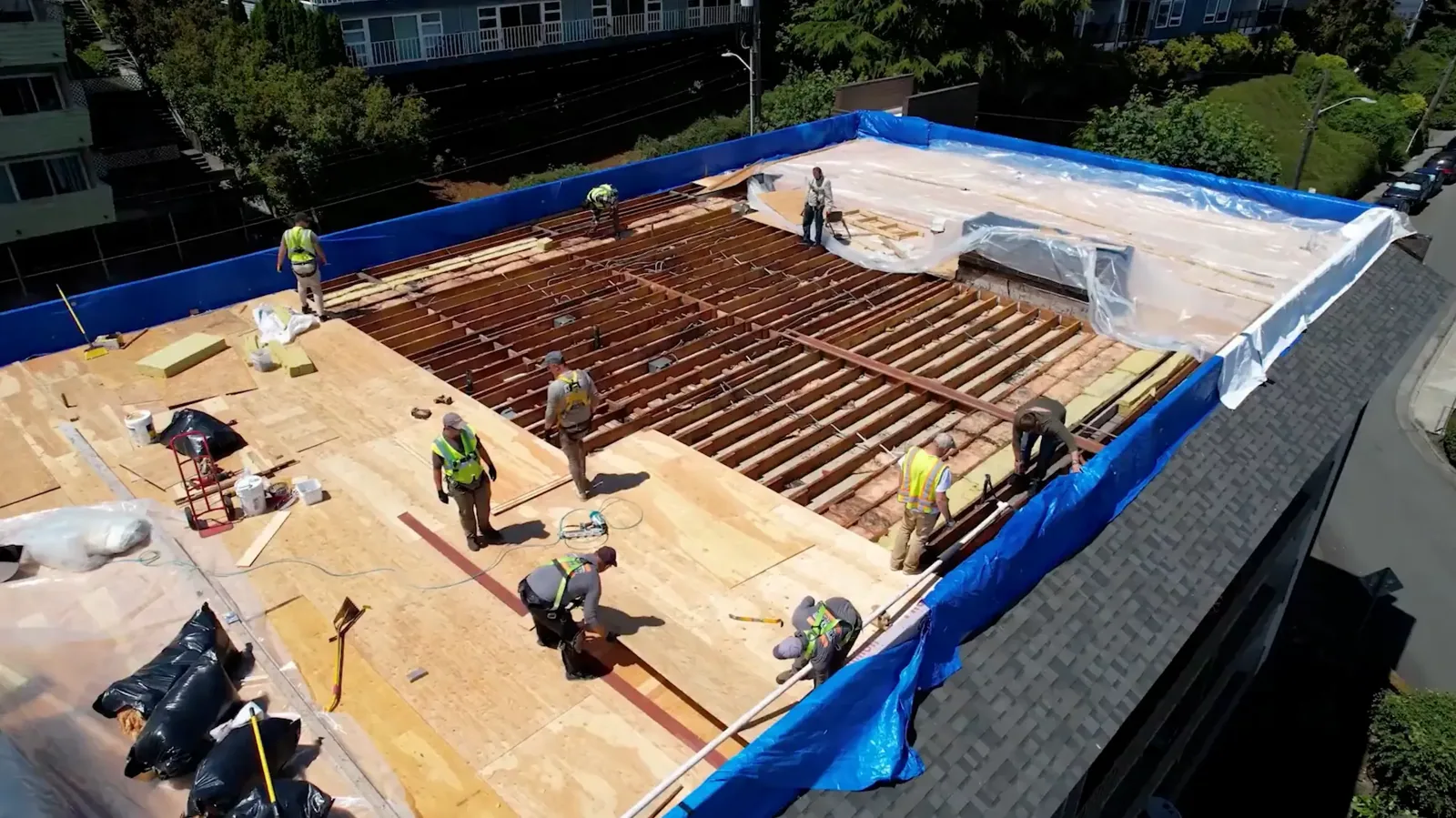
Water can reach insulation and other roof layers where covering is displaced. Accessible surface appearance cannot establish all concealed condition. We explain useful examination and selected exposure where needed. The owner should authorize that task with a protection and reconstruction method. Established moisture or deteriorated backing can change the removal boundary. The permanent tie-in needs material capable of receiving the connection. Structural concerns require appropriate professional participation. The scope should separate the known reconstruction from further assessment needed before a wider retention or removal decision.
A recovery-area roof examination can assess several affected connections and recurring indoor reports. The installed assembly matters when choosing preparation. Previous treatments may complicate the retained boundary. We identify relevant equipment clearance and wall tasks as the condition is examined. The proposed covering should not hide an unresolved receiving-layer issue. Applicable permit and design requirements need review for the actual reconstruction. The owner should understand how profile, attachment and connected details will be rebuilt within the selected roof area.
Coordinate handling and the remaining recovery tasks
Recovery material can require delivery, lifting and removal at the same approach used by the operator. We review those positions before selecting the daily work boundary. Required exits need appropriate attention during handling. Temporary protection must suit weather and exposed construction. If concealed condition enlarges removal, the sequence may need revision. Equipment participants should provide any clearance required for the permanent tie-in. The owner should understand those dependencies before the component is returned to a position that obstructs the repaired connection.
Near Concord Parkway and Coleman Boulevard, a retail property's entrance may share space with recovery deliveries. We examine the actual arrangement rather than assume the vehicle's parking position describes the whole operation. Completion information should identify corrected edges, roof areas and outlets. Separate interior or equipment recovery remains coordinated with its responsible participants. Later service work should preserve the rebuilt interfaces. New water reports deserve examination of location and timing, including alterations made after the storm-related reconstruction.
Commercial Roofing Questions
Why can one storm produce several separate roofing tasks?
Wind displacement, blocked discharge and water entry can affect different connections. We examine accessible condition at the reported positions. An edge repair may not correct an outlet restriction or underlying material deterioration. The scope should identify each established roofing task and any separate trade participation. Protection and permanent reconstruction need coordination across the affected area.
Can loose perimeter metal simply be refastened after the event?
The receiving construction and exposed roof termination need examination first. Deteriorated backing or a damaged attachment position may require reconstruction. We explain the prepared boundary and proposed connection. Adjoining membrane can also need a tie-in. Refastening a component without correcting the receiving condition may leave the displaced detail unsuitable for continued use.
When does retained water require more than clearing storm debris?
A damaged outlet connection, downstream restriction or roof depression may remain after clearance. We assess accessible discharge and the surrounding profile. The proposed task should identify which physical condition is corrected. Separate piping or design review may be useful. New covering cannot by itself change every low area or restore an obstructed downstream route.
What should be coordinated before permanent hurricane-related reconstruction?
Identify authorized access, affected occupied positions and the practical handling route. We explain protection, removal and any equipment clearance needed. Further assembly or professional review should be clear before the permanent sequence is selected. The owner should understand the connected roof work and separate recovery tasks. Completion information should identify the reconstructed boundary for later service coordination.
Assess the connected storm recovery work
Arrange a Concord hurricane-related roof assessment. Identify the affected space, available access and any established restrictions around the damaged area.