Home / Roof Damage Repair / Commercial Fire Damage Roof Repair
Commercial Fire Damage Roof Repair in Concord, NC
Plan commercial fire-damaged roof assessment in Concord after authorized access. We coordinate roofing removal, receiving layers and connected reconstruction.
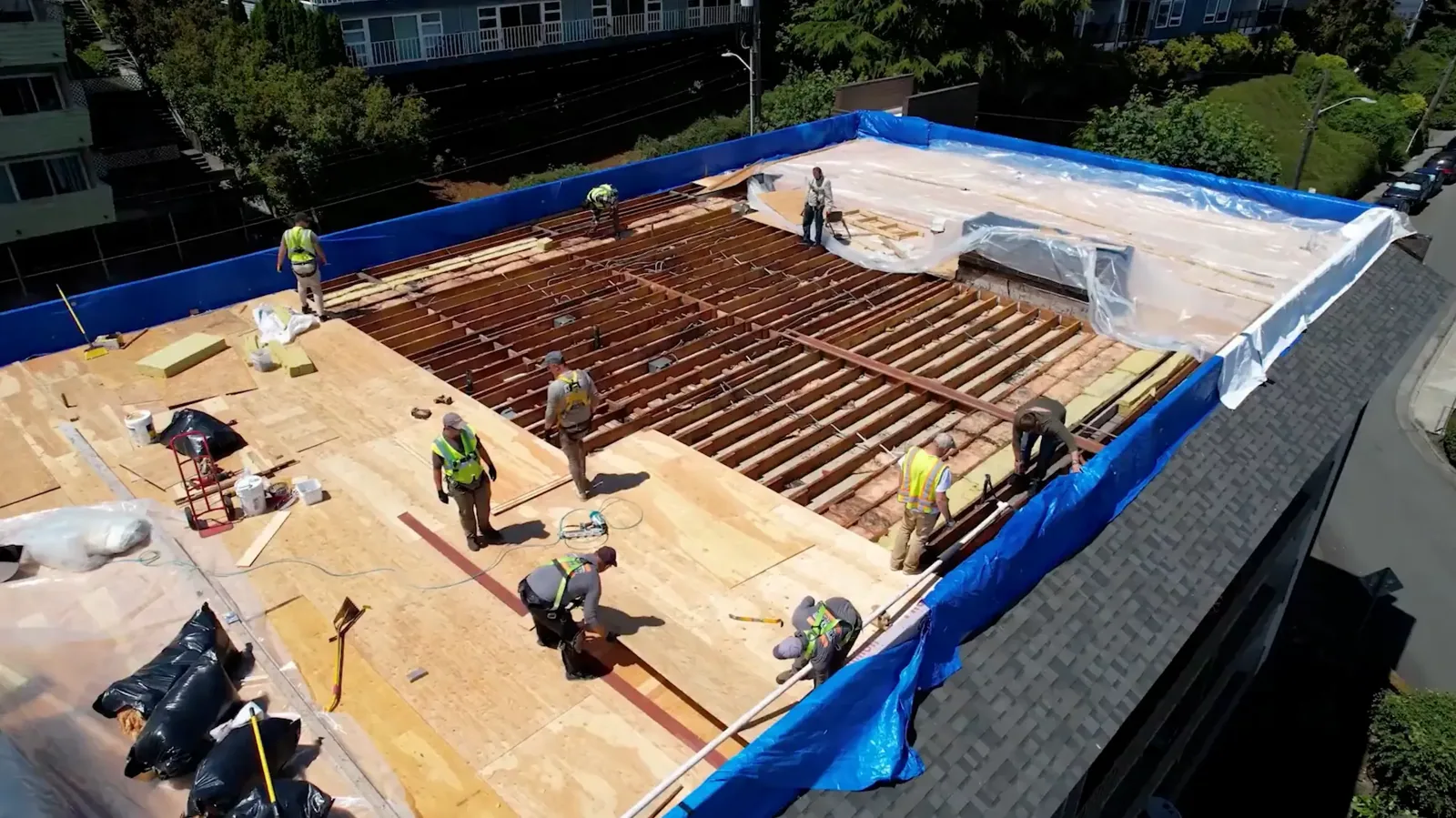
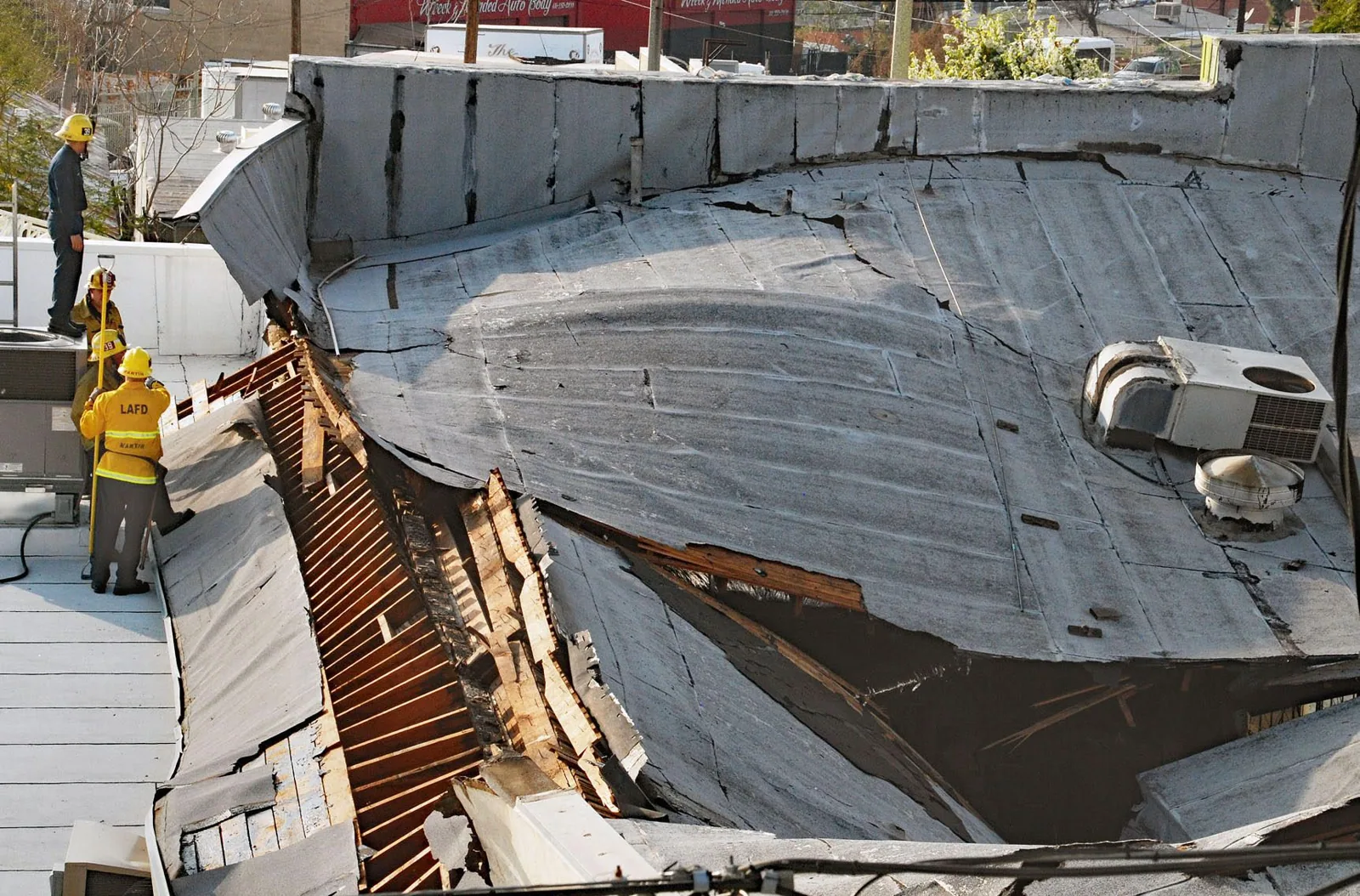
Fire response can leave roof openings that need protection before ordinary building use resumes. Heat and suppression activity may also affect layers beyond the visible surface. We assess commercial fire damage roof repair in Concord, NC, after access is authorized. The roofing visit needs a defined boundary within the larger recovery task. Appropriate participants must address unsafe conditions before examination or handling proceeds. We assess accessible covering and explain further assembly review needed. The owner should understand which roof materials require reconstruction and which decisions depend on structural or other professional assessment.
Concord has business parks and speculative buildings offering immediate access to I-85. Industrial facilities and connected neighborhoods are part of Weddington Road Corridor planning. At an affected property, recovery access needs coordination with the actual entrances and adjacent occupied space. Temporary roof protection coordination can address authorized openings while permanent reconstruction is defined. The protection method must suit the established condition and practical access.
Establish the area that can be examined
Fire-damaged construction may not be suitable for ordinary roof access. We coordinate the examination boundary with the owner and relevant response or professional participants. A roofing visit does not replace their safety or structural assessment. Damaged support, loose components and concealed openings need appropriate attention. The operator should identify restrictions already established. We explain what can be examined within that authorized area and where further clearance is needed. Material delivery should wait until its handling position and route are suitable for the proposed task.
Adjacent rooms may remain affected by water, debris or disconnected equipment. Their use requires the appropriate recovery participants' decisions. We identify the roofing opening and protection task within that coordinated scope. Access from an occupied approach should not be assumed simply because it was available before the event. The owner should understand the proposed work boundary and which other tasks must occur first. A revised sequence may be needed when examination reveals condition beyond the initially accessible area.
Assess the damaged layers instead of the surface alone
Heat can affect the covering and its connections. Suppression water can also reach insulation or concealed roof material. We examine accessible condition and available assembly information. Selected removal may be useful after its method and protection are authorized. The visible burn or discoloration does not define every damaged layer. We explain which findings guide the roofing removal boundary. Appropriate professionals should assess supporting construction where needed. The permanent covering must connect with suitable receiving material rather than conceal compromised parts of the assembly.
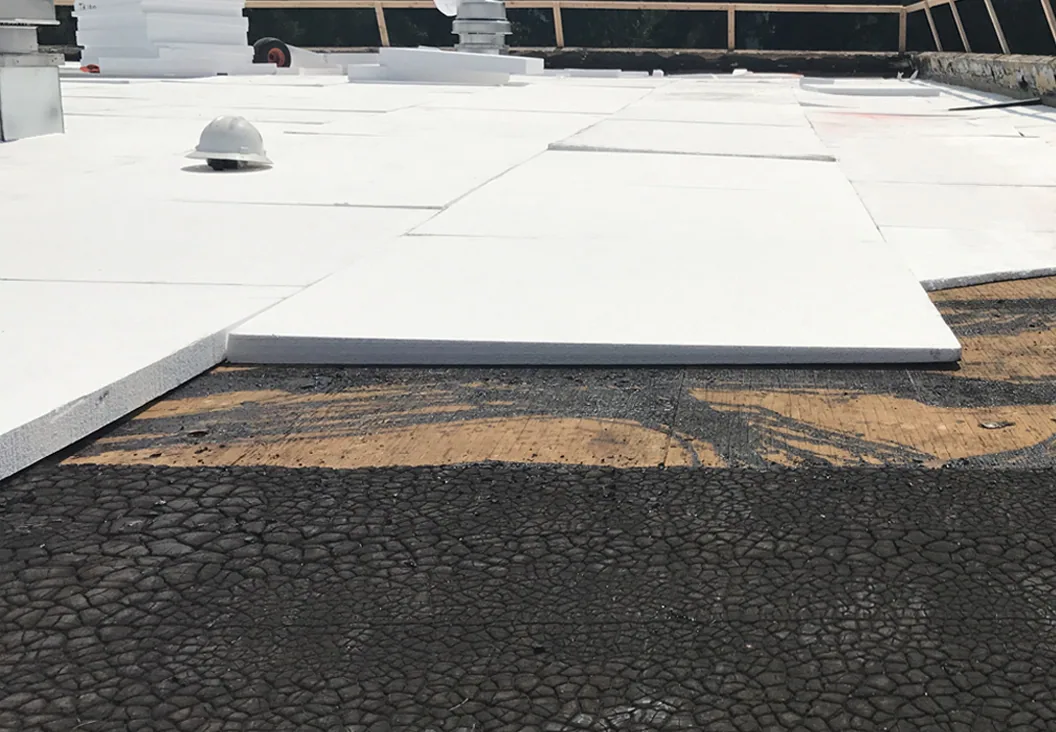
Insulation and receiving-layer reconstruction can form part of the recovery scope. Retained layers need examination before that choice is made. Wet or deteriorated material may require removal even beyond the visible roof opening. The selected replacement profile can affect curbs, outlets and wall transitions. We identify those related tasks. The owner should understand how the roof area is rebuilt and which connections change as the assembly is reconstructed. A finish alone cannot complete that work.
Coordinate the equipment and wall interfaces
Fire response or recovery removal may disturb equipment connections and neighboring wall details. Those interfaces need assessment by their appropriate participants. The roofing scope should identify clearance needed around the affected curb or opening. Equipment lifting, disconnection and return to service may be separate tasks. We coordinate the prepared boundary receiving the roofing detail. The permanent sequence needs access to complete that connection before the component obstructs it again. The owner should see these dependencies in the reconstruction plan rather than encounter them after roofing materials arrive.
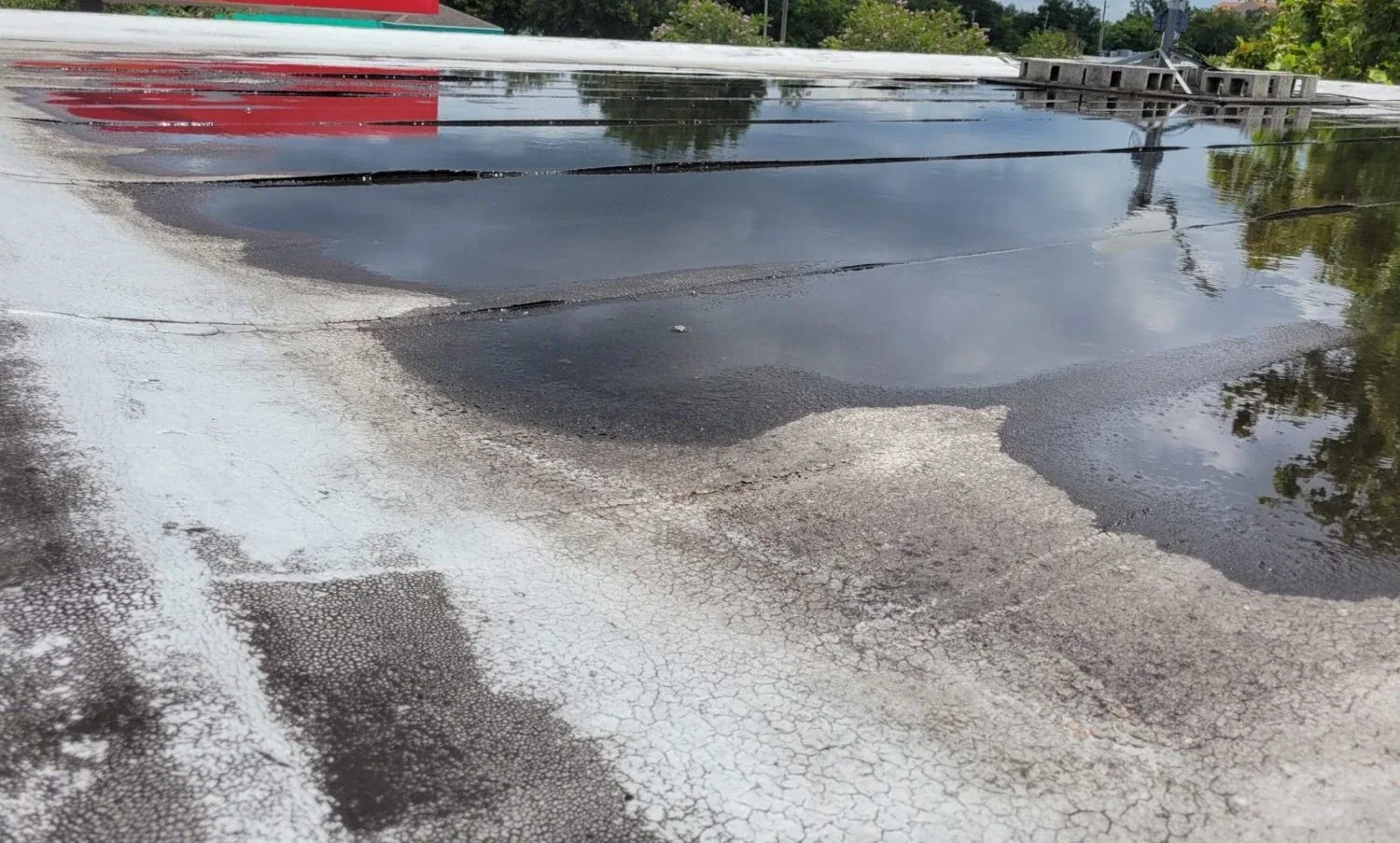
Wall and curb flashing reconstruction can reconnect a damaged transition after its receiving construction is suitable. Damage around handling routes also needs examination where recovery equipment affected retained covering. The work should identify separate defects and their tie-ins. We review accessible outlets near the removal boundary. Debris or altered construction can affect discharge. A rebuilt roof area needs its connected water route restored appropriately, not merely a new surface over the former opening.
Match protection with the daily reconstruction area
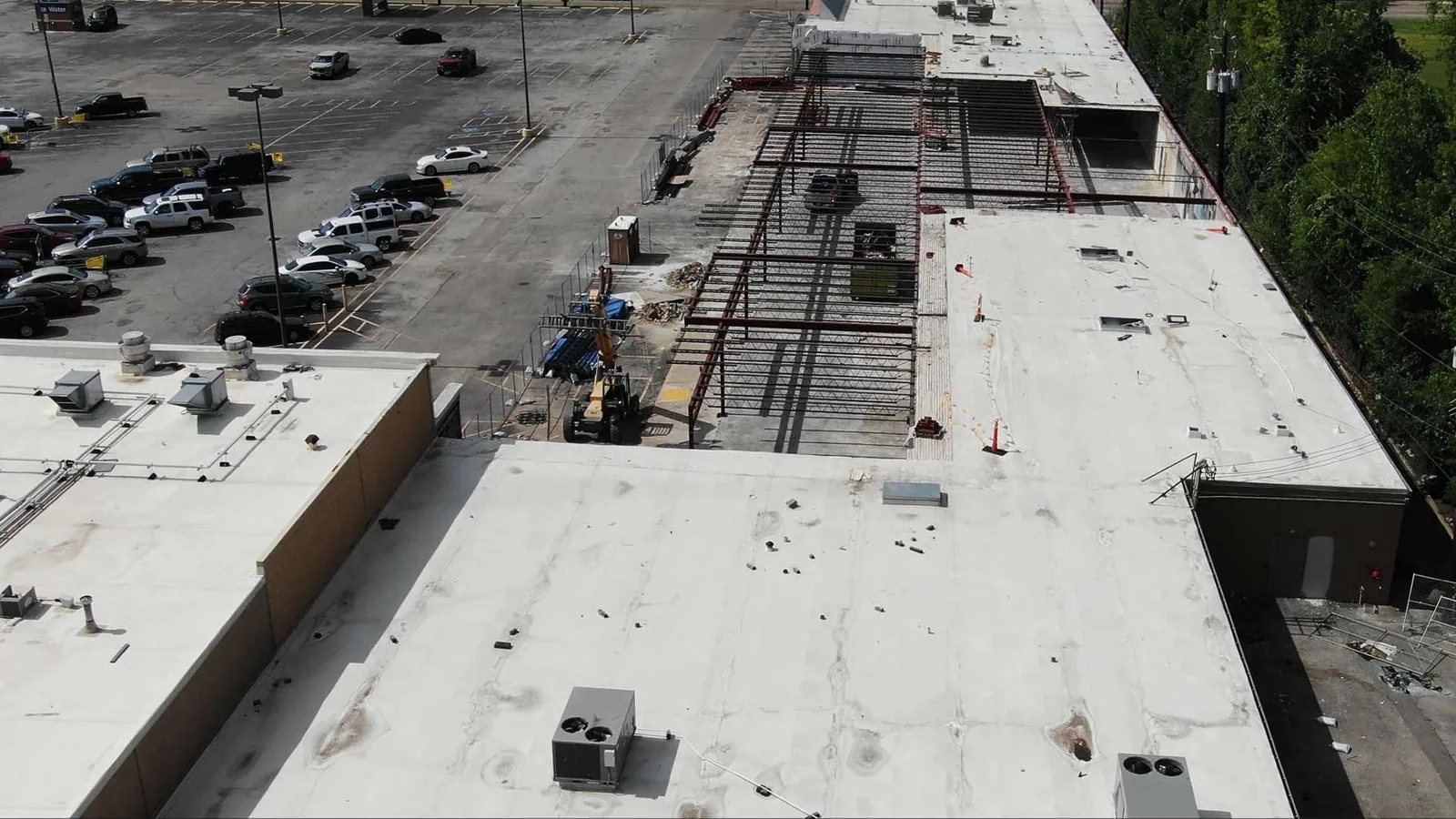
The area opened each day needs a workable protection and reconstruction method. We review the proposed removal with the relevant project participants. Weather and concealed condition can change the practical boundary. The operator identifies contents or remaining occupied positions beneath adjoining work. Protection needs coordination with that use and the authorized access. Materials should be handled from a suitable position without adding an unreviewed demand to affected construction. The sequence should explain what remains covered, what is removed and how the new connection reaches usable retained roofing.
Near the Weddington Road Corridor, a property may need its recovery handling separated from continued service activity at another entrance. We examine that particular arrangement with the operator. Required exits need appropriate attention as routes change. Reconstruction beside occupied building areas can coordinate the roofing boundary when part of the property remains in use. Its protection and access needs should be explicit. The owner's occupancy decisions remain coordinated with the appropriate recovery participants.
Define permanent reconstruction before choosing the covering
Permanent work needs a scope covering removal, receiving layers and connected details. The proposed assembly should receive appropriate permit and design review. Changed insulation, support or equipment arrangements may affect that review. We explain the roofing task and information needed from other participants. The owner should compare the complete construction boundary rather than only a covering name. Replacement of the affected roof area can be useful where established deterioration makes localized retention unsuitable. The selected extent should follow the accessible findings and required further assessment.
Completion information should distinguish the reconstructed roofing from separate recovery tasks. Interior finishes, equipment commissioning and supporting construction may involve other participants. We identify the roofing boundary completed and any remaining examination or access need. Later work through that area should preserve its new details. If another component is installed afterward, the roof connection requires coordination at that time. The owner should retain useful assembly and completion information for continuing care and for service participants who return to the affected position.
Commercial Roofing Questions
When can a roofing assessment proceed after a building fire?
Access must be authorized within a suitable examination boundary. Relevant response and professional participants need to address unsafe or structurally uncertain conditions. We coordinate the roofing visit with those restrictions. The owner should identify the area released for examination and any unresolved access tasks. A roofing assessment does not establish that damaged construction is suitable for occupancy or ordinary handling.
Can fire recovery require removal beyond the visible roof opening?
Yes. Heat, suppression water or related deterioration may affect adjoining layers. We examine accessible material and explain further assessment where needed. Authorized exposure can help establish the reconstruction extent. Structural questions require appropriate professional review. The permanent repair needs usable receiving construction and connected details around the affected area.
What needs coordination before damaged rooftop equipment is returned?
The equipment task should leave enough clearance to reconstruct its roof interface. We identify the receiving boundary and any required lifting or disconnection. Responsible participants address equipment condition and return to service. The sequence should allow roofing preparation and connection before access is obstructed. Changed curbs or supporting arrangements may also need design review.
What should the permanent roofing proposal explain?
It should describe removal, retained material, receiving layers and reconstructed connections. We identify protection and access needed during that work. Further professional review or another trade's task should be clear. The owner should understand the completed roofing boundary and separate recovery responsibilities. Choosing a covering alone will not define the entire reconstruction.
Coordinate the authorized roof recovery area
Arrange a Concord fire-damaged roof assessment. Identify the area authorized for examination, affected space and practical access restrictions.