Home / Roofing Capabilities / Commercial Multi-Site Roof Programs
Commercial Multi-Site Roof Programs in Concord, NC
Coordinate roofing across Concord-area commercial properties. We keep each assembly, occupied-space concern and corrective task identifiable within the program.
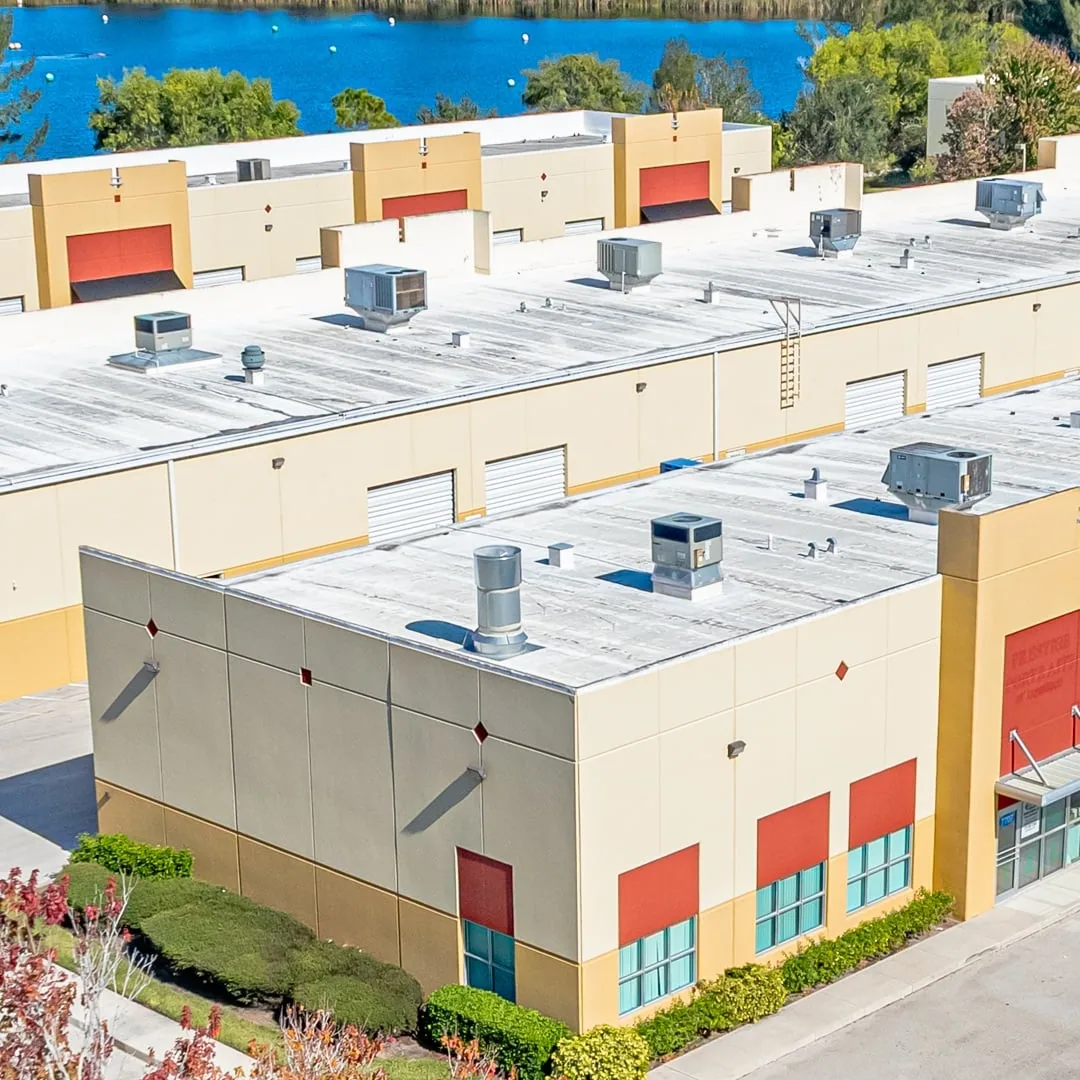
A delivery arrangement that works at one building can block another property's service entrance. A shared roofing program still needs a specific work plan at each site. We support commercial multi-site roof programs in Concord, NC. We connect the owner's broader priorities with the actual assembly and occupied position involved. Each task should identify its condition, practical next step and required participation. The owner can then coordinate visits without assuming every building needs the same reconstruction. Useful program information keeps different roof areas understandable when reports and work arrive from several operators.
Harrisburg sits between Concord and Charlotte and includes commercial activity serving its growing community. Kannapolis combines research and education activity with other employers and transportation connections. A group of commercial properties can span different occupied uses and roof arrangements. We assess the actual positions included in the program. Identification of separate roof assets can connect each area's findings with completed work and useful next examination.
Identify the property before assigning the roof task
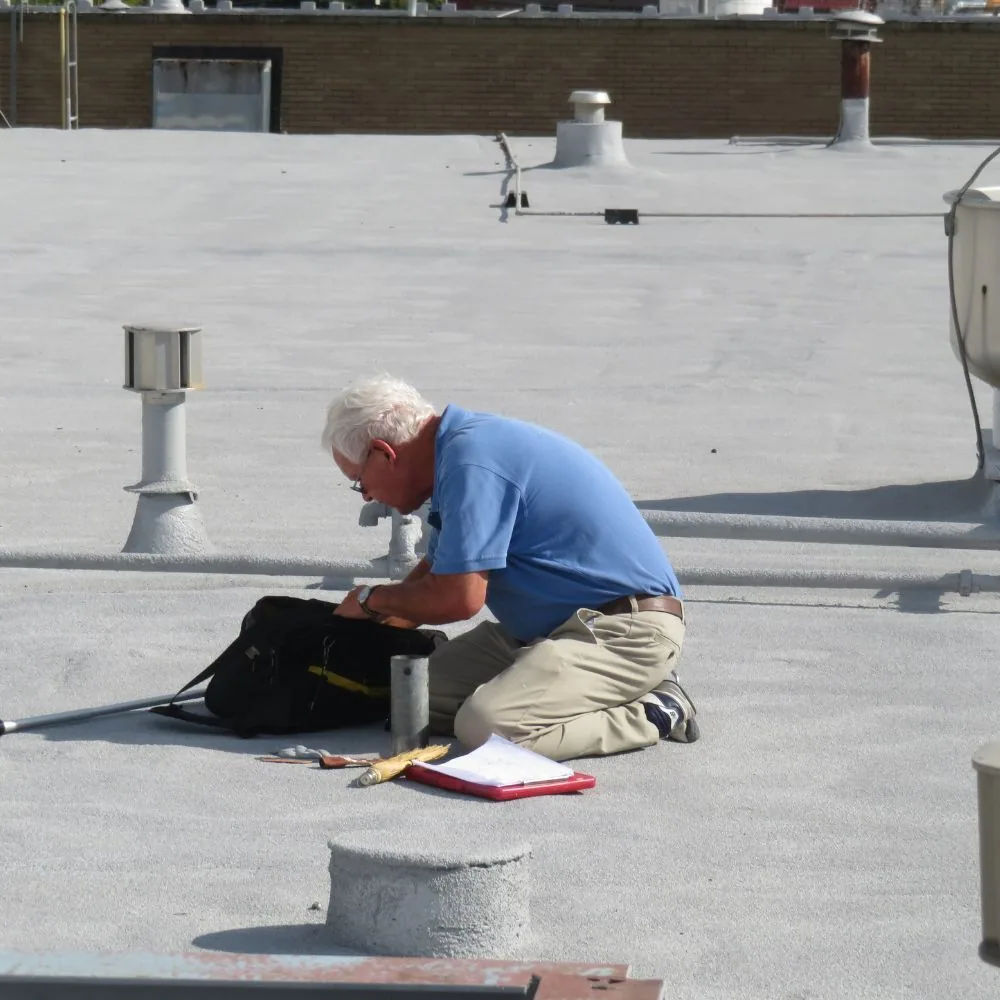
A new report should identify the building, occupied position and useful timing. The operator also describes available roof access and relevant equipment activity. We review those observations before arranging examination. A portfolio label cannot locate the failed detail within a particular property. Several additions may have different assemblies. The task should identify which area is involved. Useful installation or repair information can help establish its history. The owner should understand the practical visit boundary and any access authorization needed from the local operator.
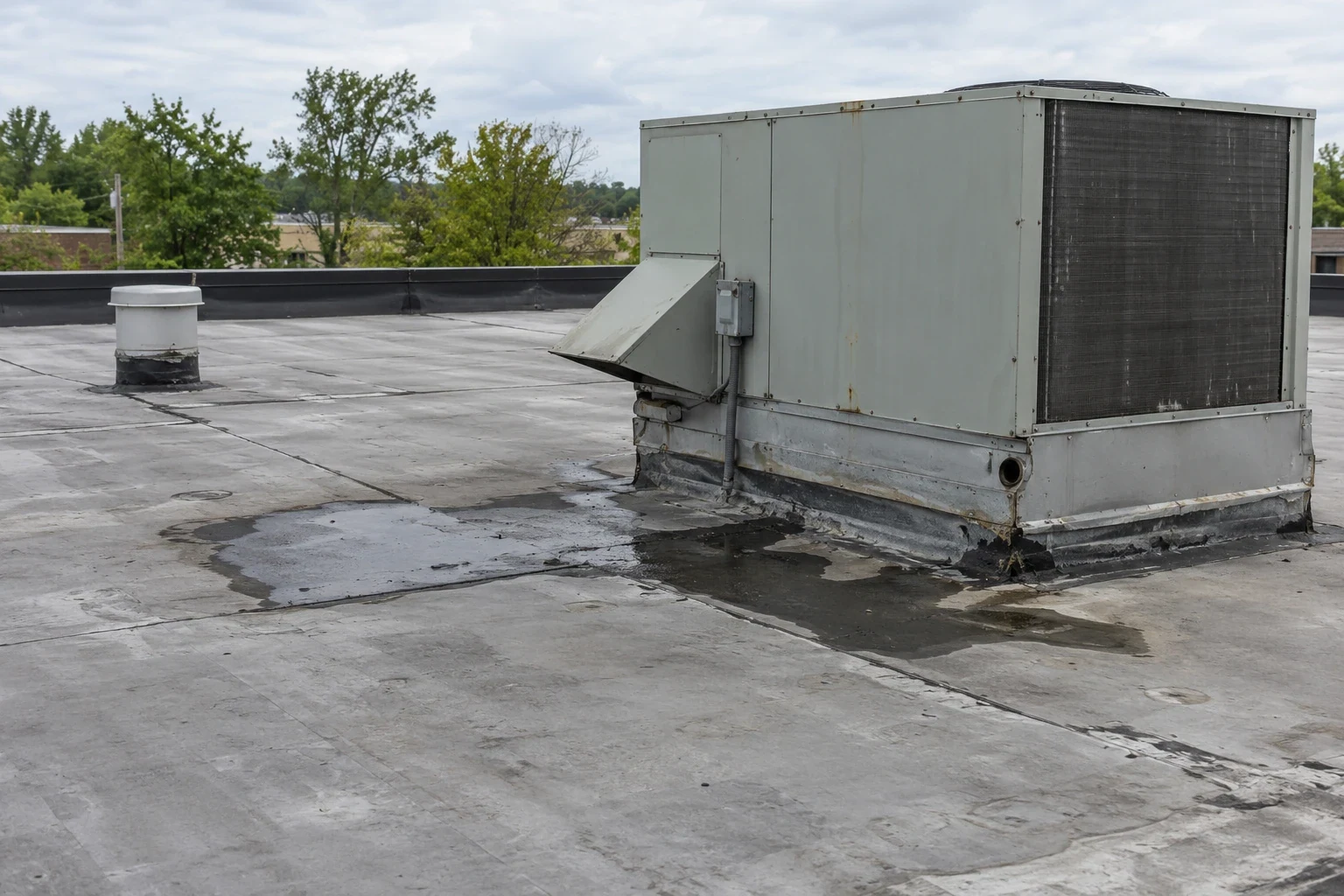
Assessment of a property's water-entry report can examine relevant roof details and accessible condition. Findings should distinguish that report from the exterior defect established. A wall, equipment or piping connection may need another participant. We identify that dependency at the affected position. The program should not send the same repair task to each property solely because all reports mention a ceiling mark. Each proposed correction needs its own receiving material, preparation and connected reconstruction boundary.
Keep the assembly differences visible in the work scope
Different installed coverings can need different connection methods. Available assembly information should identify established material and unresolved layers. We examine accessible condition before describing retention or removal. Previous treatments can affect preparation. Moisture or deteriorated receiving construction can change the useful boundary. The scope should identify those findings for the particular area. The owner can then compare tasks without assuming a shared product selection resolves every property's conditions. Equipment, walls and discharge details also need assessment alongside the field covering.
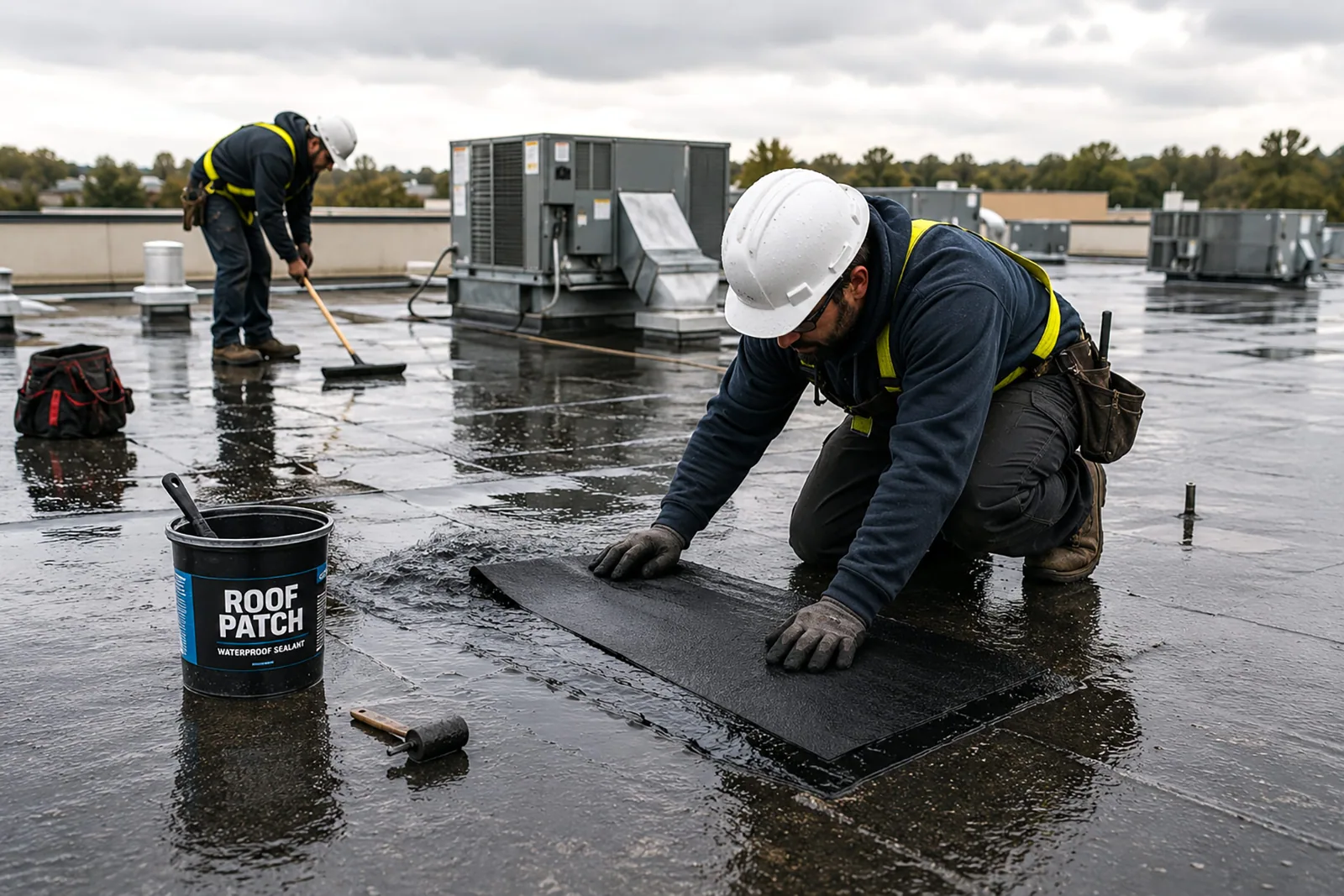
An assembly-specific corrective task should explain what is reconstructed and what remains. Broader work may need another examination or appropriate professional review. The program should identify that next step rather than treat an unresolved layer question as the same decision everywhere. Applicable permit and design requirements need confirmation for each actual scope. We explain the roofing questions that affect that review. The owner's wider coordination can then preserve the construction distinctions necessary at the individual property.
Coordinate each operator's entrance and equipment access
Local operators should identify occupied restrictions before material handling is selected. A roof hatch may serve a narrow route around equipment. A lifting position can affect deliveries or an entrance below the work. Required exits need appropriate attention during that arrangement. We review the actual roof position and practical handling area. Equipment participants should provide clearance where the permanent connection cannot otherwise be reached. The owner should understand that separate task. A calendar window alone does not establish that removal, protection and reconstruction are workable.
At a Harrisburg commercial property, the particular service approach belongs with its task even when another portfolio building has a convenient delivery area. We examine the conflict between handling and continued operation. Coordination above occupied building areas can identify the practical daily opening and protection need. Weather or concealed condition may change that boundary. The program should carry the revised arrangement to the relevant participants rather than preserve an earlier handling assumption after the scope expands.
Connect the owner's sequence with established condition
The owner may need different next steps across the properties. An exposed opening can need immediate protection. A usable assembly with one failed connection may receive a defined repair. Wider deterioration can require further examination before renewal is selected. We identify those physical distinctions. Coordination of proposed roof renewal tasks can connect the wider sequence with the actual construction being considered. The owner should understand what each step addresses and what remains outside its boundary. A uniform replacement instruction can leave useful local decisions unexplained.
Property-specific warranty document review can identify issuer questions where the proposed work affects a documented area. Terms and decisions remain with the responsible issuer. Different roof histories can involve different documents. We keep that review attached to the particular task. The roofing correction still needs suitable preparation and access. Program coordination should identify who provides useful information or clearance before the permanent sequence is selected. Those dependencies can affect the practical order of work across the properties.
Return completion information to the correct property
Completed work should identify its building, roof area and reconstructed connection. We explain material retained and any separate task remaining. The local operator should understand the boundary completed. Later water reports need their own position and timing. A new equipment alteration can affect a different connection near the same room. The owner should keep those changes attached to the relevant property history. The program should not close an unresolved task at another building merely because similar construction was completed elsewhere.
Continuing care of identified property roof areas can include accessible outlets and service interfaces. The operator should preserve a useful inspection route and avoid leaving debris near discharge. New findings should identify a practical next task. The owner can then review current condition across the program without losing the physical differences between properties. Multi-site coordination works when each building's access, assembly and completed construction remain understandable to the participants responsible for its next roofing decision.
Commercial Roofing Questions
Can one repair scope be used for every property with a ceiling leak?
Each reported position needs assessment of its actual roof connections and material. Water can travel before appearing indoors. We identify the accessible defect and useful further examination. Preparation, equipment clearance and retained layers can differ between properties. The program should connect each proposed correction with its own physical boundary rather than assign one task to every similar room report.
What information should each operator provide for a roofing visit?
Identify the property, affected occupied position and useful report timing. Describe available access, equipment activity and restrictions around the area. We review the practical examination boundary before arranging the task. Local participants may need to provide authorization or clearance. The owner should keep those requirements attached to the correct building and roof position.
How should different roof materials affect a shared program?
The installed assembly needs a correction suited to its material and condition. We examine receiving layers, existing treatments and relevant detail work. A shared product name cannot resolve every preparation or retention question. The scope should identify each area's reconstruction. Appropriate permit or professional review may be needed where the proposed changes affect assembly or supporting construction.
What keeps completed work useful for later portfolio decisions?
Completion information should identify the building, area and connection reconstructed. We distinguish retained material and separate tasks still needed. Later service changes belong with that property history. New water reports need position and timing so examination follows current condition. The owner can then coordinate the next task without confusing completed construction at one site with another site's unresolved work.
Identify the properties and their next roof tasks
Arrange a Concord-area multi-property roof assessment. Identify the buildings, occupied-space concerns and available access for the areas needing attention.