Home / Service Areas / Locust
Commercial Roofing in Locust, NC
Commercial roofing in Locust, NC, begins with the operating space below and the assembly above it. We inspect repairs, drainage and roof access.
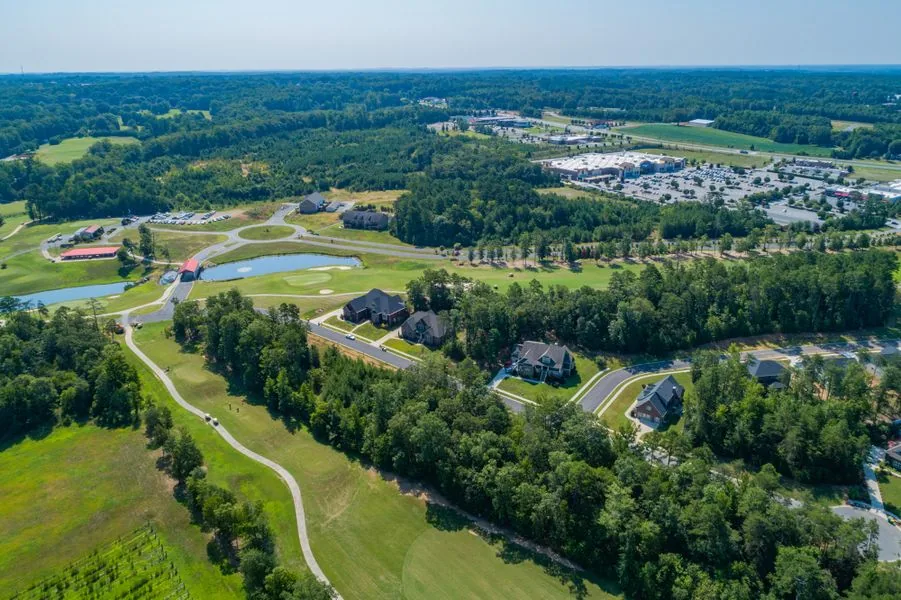
A production break can reveal a drip over an occupied shop. In Locust, NC, we protect the affected area, then trace water to the roof detail that needs work. Local manufacturing activity includes production of valves, hoses, and expansion joints. That fact gives a useful example of why equipment clearance and a safe work boundary matter, but it does not tell us what any building has overhead. We inspect the roof system and the space below before we propose a repair. A commercial inspection connects the symptom to a practical next step.
Locust also requires city zoning compliance before county building permits. A roof project may involve both a building permit and review of new rooftop equipment or use changes. We identify who is coordinating those approvals before material is ordered. The roof scope then names the opening, flashing, insulation, and daily dry-in steps.
Protect the work area first
Water above a workbench or assembly line can affect more than the room finish. We confirm the affected bay, equipment that must stay clear, and the path people use to move through the building. If a leak is active, temporary protection below comes before a test opening above. The site contact identifies who can authorize interior access and when a roof hatch or ladder can be used. We mark the area before staging materials so the crew can work without blocking a needed aisle.
The location of a ceiling stain does not establish the roof entry point. Water can follow a seam, penetrate at a curb, or move along the deck before reaching the interior. We compare the report with roof details, drainage, flashing, and any prior patch. If moisture may extend beneath the visible mark, an infrared scan or approved test opening can clarify what stays. The recommendation identifies a confirmed defect and separates it from any area that still needs testing.
Find the failed connection
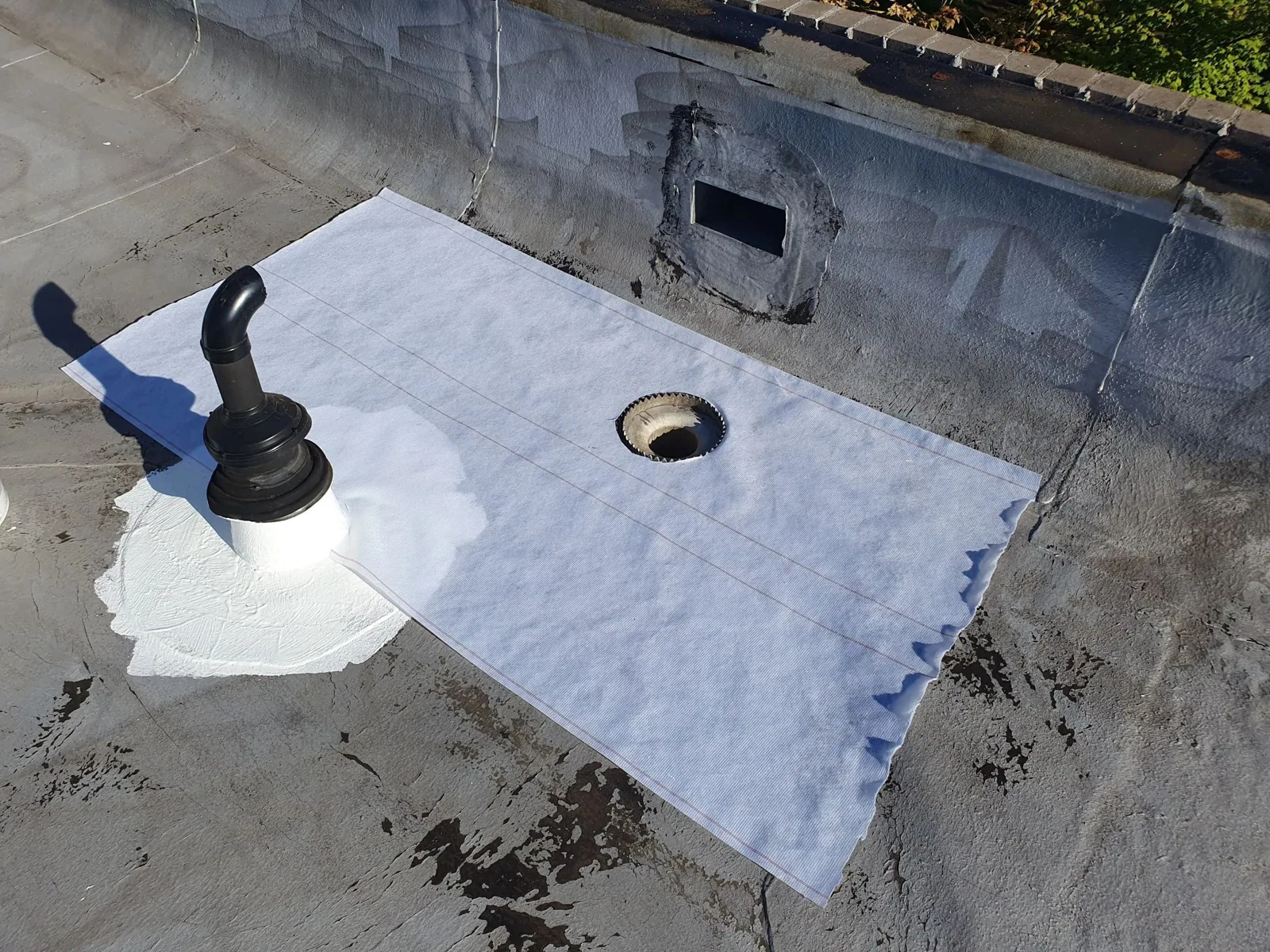
A roof leak often becomes clear at the point where one material meets another. We check the membrane seam, curb corners, pipe sleeves, wall flashing, and drain outlet around the reported area. A small split can admit water under the field sheet. A loose edge can let wind-driven rain reach the assembly below. We record the detail and nearby material before removing a patch. The repair extent follows the condition we find, not a broad assumption about the entire roof.
Drainage deserves its own check when water remains after a storm. We look for debris, a blocked strainer, loose clamping rings, damaged sealant, or a low area that holds water. Clearing the outlet and rebuilding the membrane connection are separate tasks. A drain and scupper inspection can locate which condition is present. If wet insulation has spread, a surface patch will not dry it. We ask for approval before a test opening expands the repair boundary.
Choose a repair that holds its edge
A localized repair can work when the surrounding field is stable and dry. We remove only the material needed to reach a sound edge, then tie in compatible flashing or membrane. If moisture reaches the insulation or deck, the removal line needs to include those layers. The estimate separates the visible defect from any work that depends on opening the assembly. That keeps a small confirmed problem from turning into a blank scope, while leaving room to address a hidden condition if the test reveals one.
Repeated failure across multiple seams changes the comparison. A patch may close one entry point but leave other deteriorated transitions. Recovery can be considered when existing layers, slope, attachment, and code permit another assembly. Replacement brings more removal but exposes the deck and lets the owner reset insulation and drainage. We compare those paths by material condition, interruption, tear-off, edge height, and staging. A replacement scope should state the removal area and the daily dry-in plan.
Coordinate approvals before tear-off
Locust requires zoning compliance before county building permits. We flag the roof elements that may affect review, such as a changed insulation package, new equipment curb, structural attachment, or altered drainage. The North Carolina Office of State Fire Marshal lists the 2018 Building, Existing Building, and Energy Conservation Codes as current while the state moves toward its 2024 series. A state letter describes an owner-requested alternate path for the 2024 codes before the effective date. The reviewer sets the permit basis.
A National Weather Service Helene summary gives Charlotte-Douglas a 57 mph gust reading. That is an airport measurement, not a Locust roof result. We still check the actual perimeter, equipment connections, and flashing at the property. A recent repair note can help us focus the walk; the assembly and condition found set the work limit.
Timing and cost follow the details that change labor. Roof access, equipment clearance, wet insulation, edge-metal condition, work hours, and disposal requirements affect sequence. We show each task separately so the owner can understand what is included. If equipment work runs beside roofing, the mechanical schedule should identify when the unit can be disconnected or lifted. A condition report with photographs can keep the decision record tied to the inspected locations and approved repair.
Keep production and closeout clear
Before a service visit, identify the affected room or bay, the roof access point, any equipment that cannot move, and the shift schedule. Tell us who can approve interior protection and where a temporary barrier can stand. If a drain is involved, note where water appears and whether it continues after rain. We confirm the assembly, moisture, and safe staging area before recommending removal. An opening that could reveal additional wet material is discussed before the scope changes.
At closeout, we inspect the repair edge, curb corners, outlet, and any temporary protection. The owner receives photographs of the work completed and a separate note for conditions left outside the approved scope. If weather requires a temporary cover, we identify how it is held and what permanent detail remains. We do not leave an exposed section without a secure end-of-shift plan. That handoff lets the building contact follow up after the next rain without treating a temporary measure as a permanent repair.
Call with the symptom, operating hours, and access instructions. For a leak at midnight or on a holiday, emergency response remains available. We can discuss immediate protection, inspect the roof assembly, and explain a repair or replacement path based on the condition found. Owners coordinating other commercial properties can schedule separate visits in Mount Pleasant or China Grove. Every roof receives its own inspection and work plan.
Commercial Roofing Questions
How does Locust's zoning step affect a roof replacement?
City zoning compliance comes before the county building permit. We identify roof changes that may need review and coordinate the roofing scope with whoever manages the approvals. The permit official determines the code path; we provide the assembly and installation details needed for that review.
Can a roof opening stay safe during a production shift?
We plan the work boundary, interior protection, access route, and end-of-shift closure before cutting. A section opens only when the crew can dry it in safely. The production contact helps set a window that protects equipment and keeps a required aisle usable.
What does an infrared survey tell us about a leak?
A survey can help locate moisture differences that merit closer review. We compare the result with interior symptoms and visible roof details, then recommend a test opening only if it could change what stays or comes out. The finding does not replace physical confirmation.
When should a repair be compared with a roof replacement?
A single failure in a stable, dry assembly may stay local. Repeated seam problems, wet insulation, deck damage, or broad deterioration can shift the comparison. We state the findings, removal limits, and options so the owner can see why one path fits better.
What details should the Locust contact send before the visit?
Share the affected bay, when water appeared, roof access directions, current production hours, and any equipment restrictions. Prior repair notes help us prepare. We confirm the material and moisture on site before fixing a permanent work limit.
Arrange a Locust roof inspection
Describe the affected room or equipment area, the work hours we need to respect, and the roof access point. We will inspect the assembly and explain the repair extent or replacement options.