Home / Property Types We Roof / Commercial Self-Storage Roofing
Commercial Self-Storage Roofing in Concord, NC
Assess self-storage roofing in Concord around unit access, roof seams and runoff. We investigate water entry and explain localized repair or broader renewal.
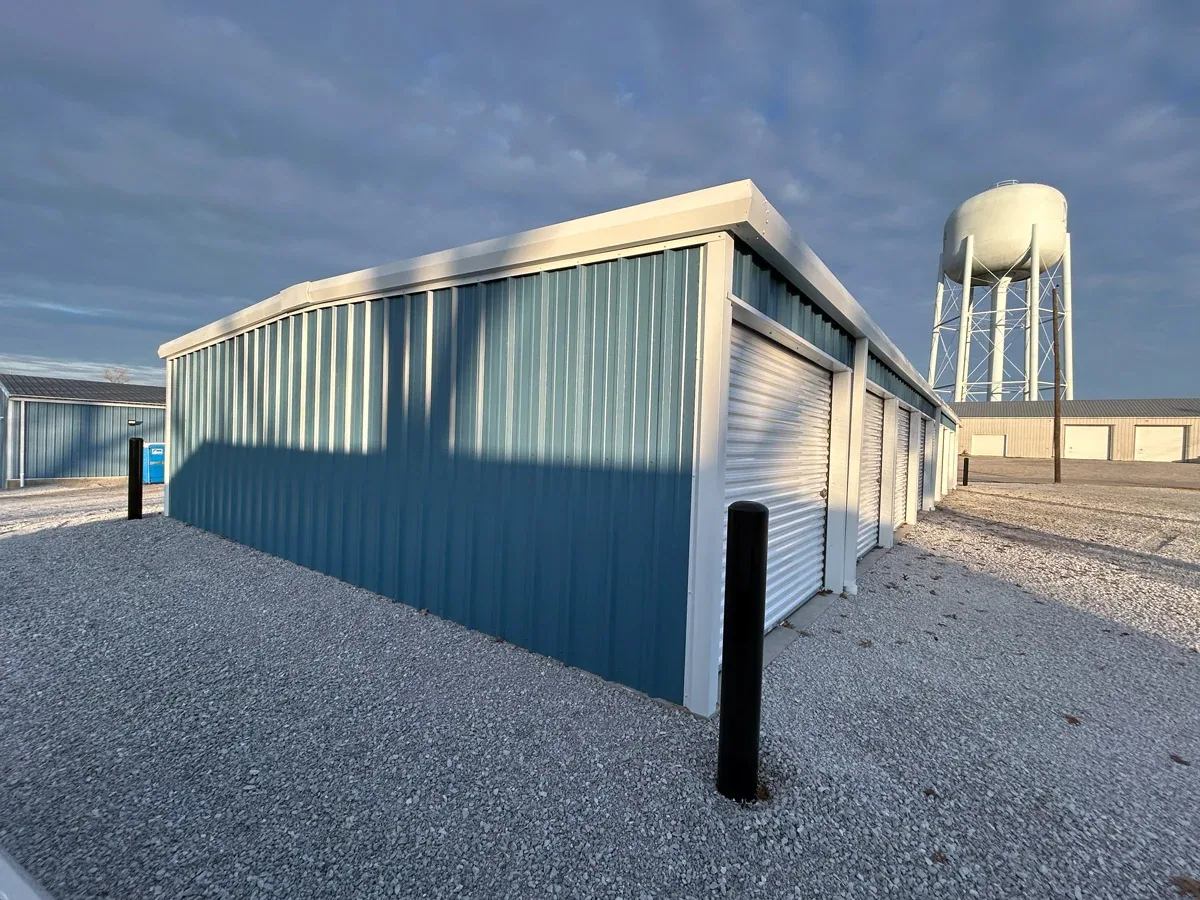
A water report inside a rented storage unit needs a specific roof examination. The affected unit also needs an access arrangement with the operator. We assess self-storage roofing in Concord, NC. The roof construction may differ between buildings at one property. We inspect the relevant covering and adjoining details before defining correction. The operator identifies affected positions and available entry. A useful proposal should explain the physical roof connection and any further investigation needed. Its boundary should not depend solely on the number printed on the door.
Concord Parkway and Coleman Boulevard planning addresses commercial uses and interconnected streets. Midland lies along the Rocky River and has manufacturing activity. Those local contexts can involve different property approaches and building arrangements. We review the actual storage property's roof and handling access. A storage unit roof investigation follows the reported location and useful timing. The operator coordinates unit entry and any goods arrangement. Physical findings establish which roof task deserves permanent correction.
Establish the unit access before examination
The operator should identify the affected units and the person coordinating entry. A reported stain may be difficult to examine behind stored goods. The responsible parties need an appropriate arrangement before interior access. We explain the roof question and any useful observation below it. Safe photographs can help show the symptom's location. They cannot establish the concealed water path alone. The examination may need to extend across roofing outside the unit's apparent footprint. We describe that requirement as findings develop.
Water can follow an assembly layer before reaching the visible interior position. Several unit reports may share one connection or involve separate defects. We compare locations with the actual roof layout. Plumbing or equipment may introduce another question in some buildings. The roof scope should identify the condition it addresses. Handling goods and interior restoration can remain with other participants. The operator needs enough information to coordinate those tasks without assuming an exterior repair completed every concern inside the rented space.
Examine the covering installed on the building
A metal roof connection requires different examination from a membrane seam. We identify the installed assembly and accessible deterioration. Fasteners, panel joints and terminations may need attention on a metal system. Membrane work can involve failed laps or punctures. Previous treatments affect repair compatibility in either case. The proposed connection should suit the retained material and intended movement. A broad finish application would not establish which joint admitted water. We define the useful corrective boundary from the physical condition.
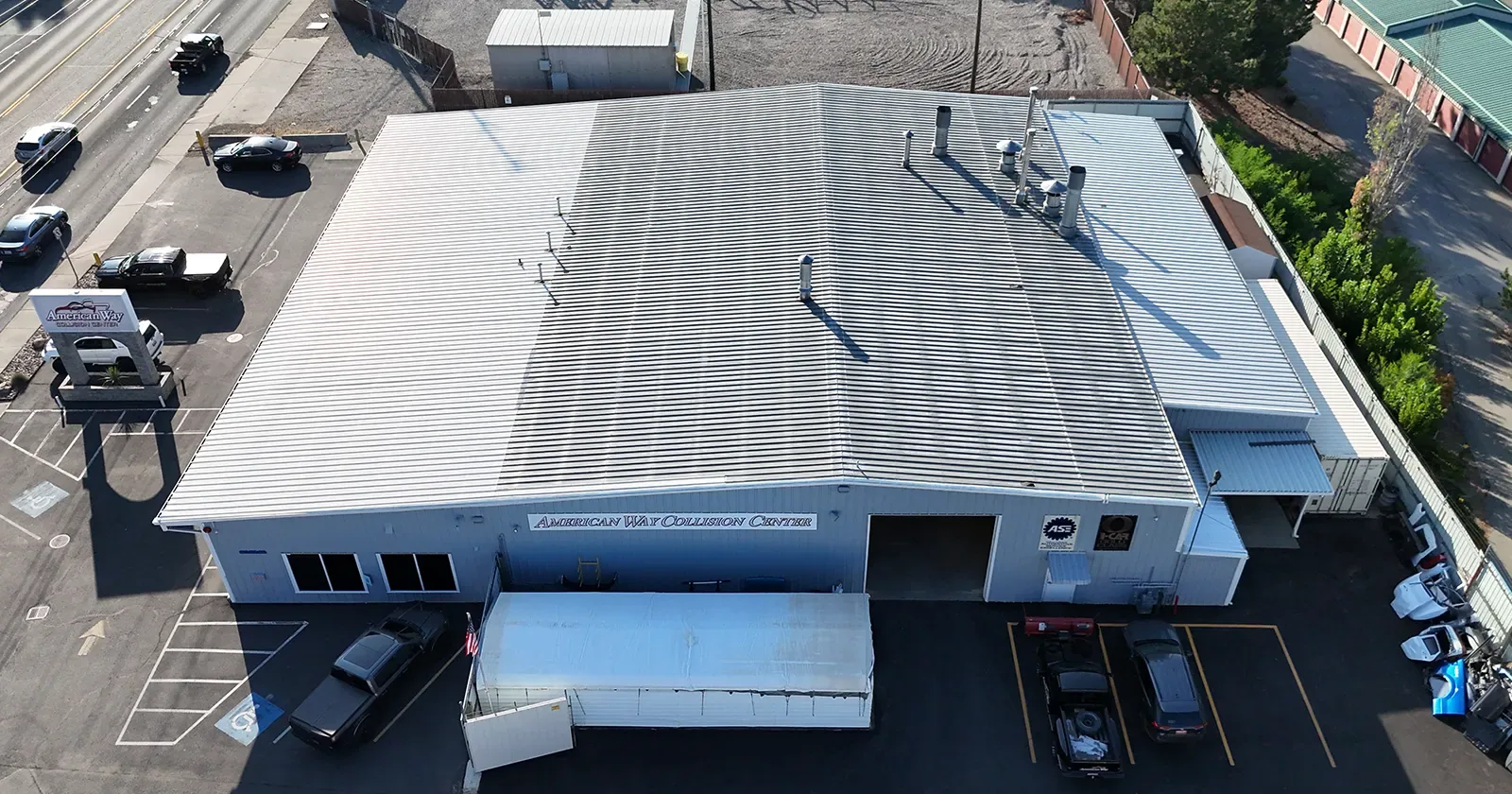
Some exposed coverings may permit a small permanent repair. Deteriorated layers or damaged supporting material can require wider work. We assess the surrounding area needed for a suitable connection. Metal storage roof evaluation can consider panel and detail relationships where that system is installed. Another building may have a different assembly. We do not transfer its condition to the affected unit row. The operator should understand which covering and neighboring details support the proposed scope.
Check the roof edge beside unit approaches
Water spilling above a unit door can affect access without entering through the main covering. We inspect the relevant gutter, edge and collector connection. Loose supporting material or failed joints can need reconstruction. Debris clearance may address a restriction while leaving those defects unchanged. The water route should be examined beyond the nearest visible spill. Downstream piping can require another participant's assessment. A roof patch cannot resolve every discharge problem. The proposal should explain the specific task found.
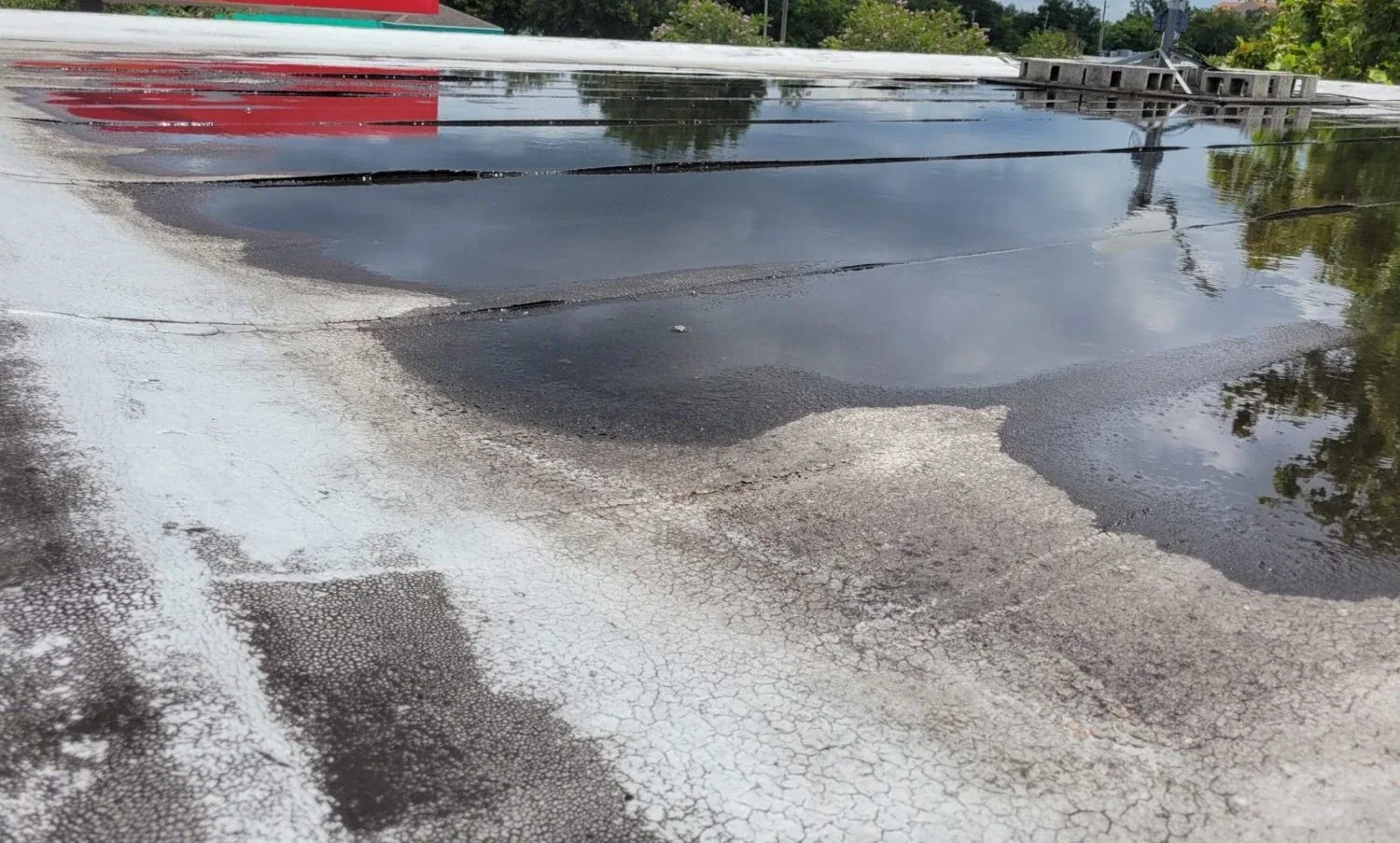
Cabarrus County has thunderstorms during warmer months. Ask the operator which approach becomes affected when runoff increases. We compare those observations with accessible roof and outlet condition. Storage building drainage work can define useful connection or discharge correction. Persistent ponding may require slope changes rather than another edge patch. Later cleaning needs an appropriate access arrangement. Equipment and roofing debris should not remain where they block water movement. The finished route should be maintainable after reconstruction is completed.
Assess openings and service damage separately
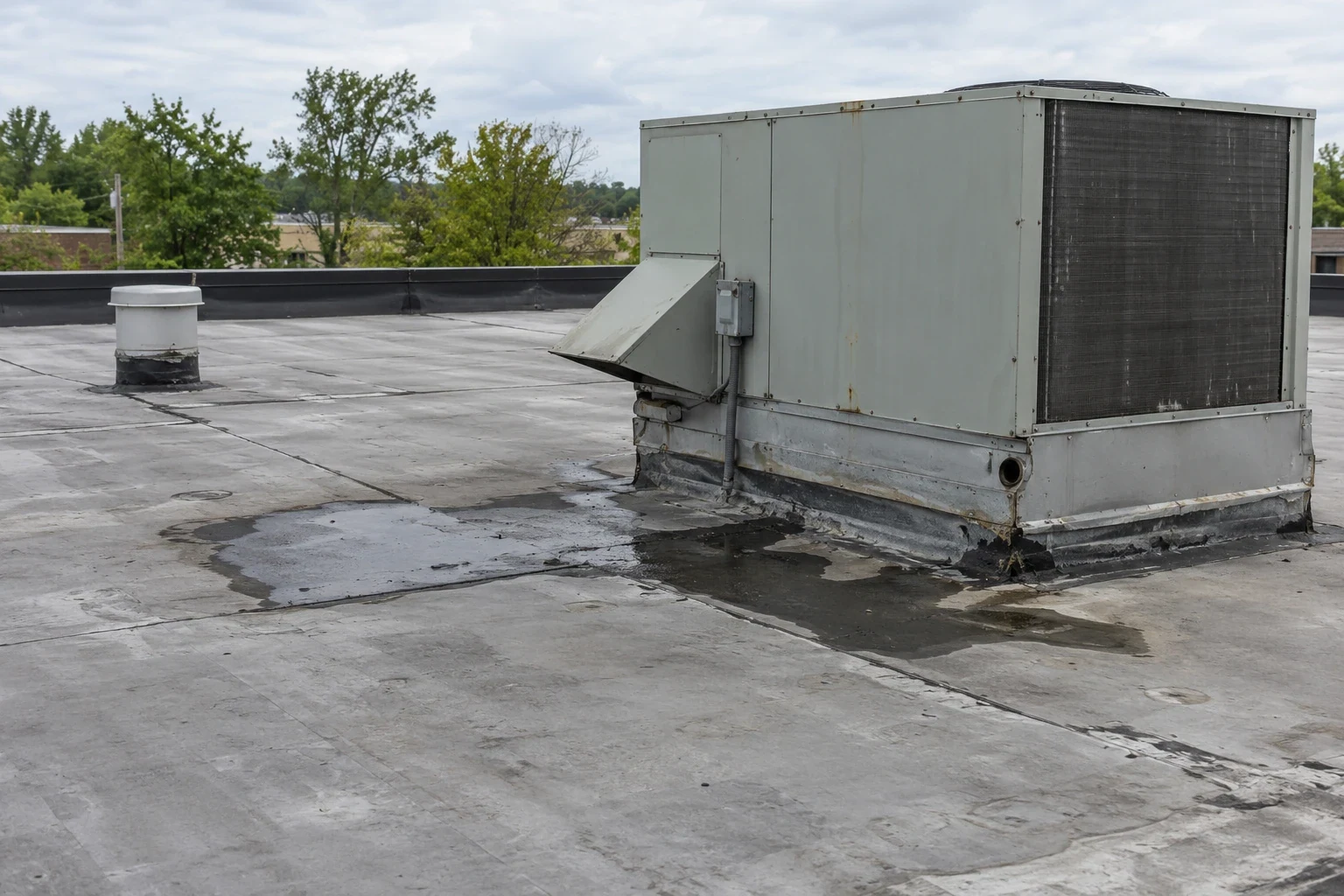
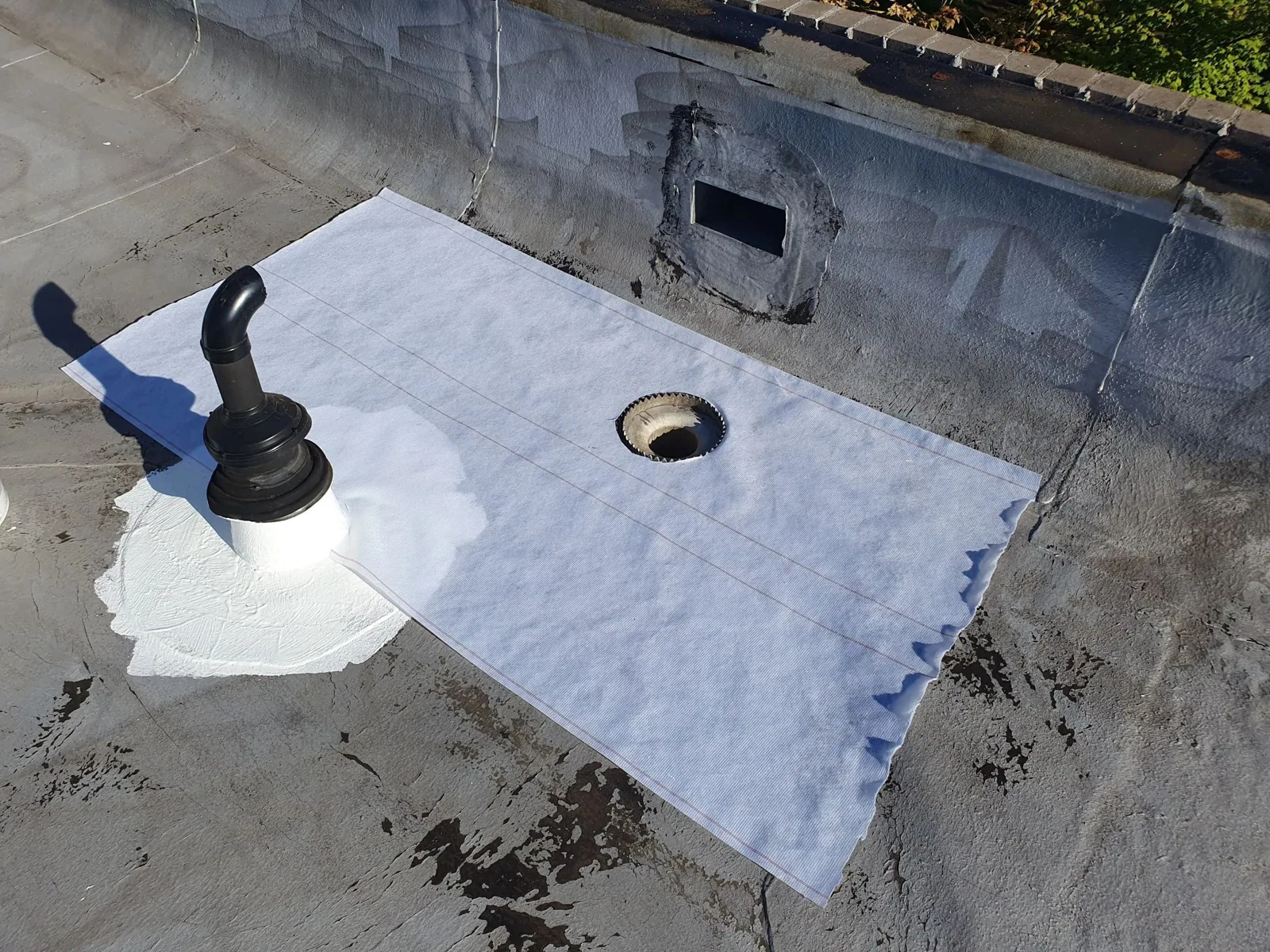
Roof vents, equipment and service supports can introduce penetrations. We inspect their accessible flashing and neighboring covering. A new opening may need compatible detail reconstruction. A loose support can abrade an otherwise serviceable surface. The responsible participant should address its arrangement where relevant. Roofing work should identify the connection it will complete. Equipment clearance may be necessary before a concealed termination can be reached. Adding material around an obstruction leaves different limits from rebuilding the full interface.
Foot traffic or moved equipment can also damage the covering away from a penetration. We examine the reported area and useful surrounding boundary. A storage roof puncture assessment can identify a localized correction. Wet layers beneath an opening may enlarge the removal required. Selected exposure needs appropriate repair afterward. The operator should understand why the task extends beyond the visible cut. Suitable retained material remains necessary around the new connection. Later service arrangements should avoid recreating the same physical damage.
Arrange material work around the actual drive aisles
Storage customers may use narrow drives between building rows. Roofing deliveries or lifting can affect those routes. We discuss the proposed handling method and access positions with the operator. Required exits need appropriate consideration where applicable. A vehicle position should suit both the roofing task and nearby movement. Unit access may need a specific adjustment during the work window.
At a property around Concord Parkway and Coleman Boulevard, we review the drive position needed for delivery and removal. Warehouse roofing coordinates handling above stored material; the storage operator should similarly identify units beneath the proposed opening. Flex industrial roof work establishes access contacts across occupied spaces. Here, unit entry must be arranged before useful interior observation proceeds. Weather can change the daily reconstruction area. The operator should know which drive or unit arrangement needs adjustment when that boundary changes.
Consider broader work building by building
Repeated local repairs can justify a wider condition assessment. The relevant building's moisture, attachment and backing influence repair or replacement. We explain what can remain and what requires removal. Added covering or insulation can affect adjacent details and water routes. Storage building reroofing should include those necessary changes. The operator needs a complete scope connected with the actual assembly. Another row's appearance does not establish the retained condition of this building's roof.
Removal above units needs an agreed protection arrangement. Concealed findings can alter the necessary reconstruction boundary. We explain that dependency before work begins. Completion information should identify repaired connections and continuing service needs. The operator can then coordinate later equipment visits and outlet care. New unit water reports deserve focused assessment of location and timing. Their investigation should remain specific to the affected building. Continuing attention to the actual roof details is useful after the broader renewal task ends.
Commercial Roofing Questions
Does a unit number locate the roof opening responsible for water?
The unit position helps direct examination but does not establish the entry point. Water can travel within concealed layers before appearing indoors. We compare the report with accessible roof connections and adjoining areas. The operator should coordinate any useful interior access. A permanent correction should address the physical defect found rather than follow the unit outline alone.
Can buildings at one storage property need different roofing work?
Inspect each relevant assembly before transferring a conclusion across the property. Covering, previous repairs and backing condition may differ. We assess the material needed to receive a sound connection. One building can permit localized repair while another needs further investigation. The proposal should identify which findings apply to the affected building and why its corrective boundary is useful.
What helps arrange roofing around active storage drive aisles?
Discuss actual customer access and the proposed delivery or lifting position with the operator. We explain the handling boundary and anticipated roof task. Some doors or routes may need a different arrangement during that window. Weather can change the protectable work area. The agreed sequence should connect those access decisions with the roofing method being used.
When should a small membrane opening receive further examination?
Investigate beyond the cut when surrounding condition or moisture suggests a wider assembly concern. We assess usable retained material and any necessary selected exposure. Wet insulation or damaged support can enlarge the removal needed. The opening must be reconstructed appropriately afterward. The operator should understand both the confirmed repair boundary and any further task needed to establish concealed condition.
Examine the affected storage building
Arrange a Concord self-storage roof visit. Identify the affected units, roof building and access contact so we can examine the covering and corrective boundary.