Home / Property Types We Roof / Commercial Apartment Roofing
Commercial Apartment Roofing in Concord, NC
Assess apartment roofing in Concord around resident access, upper-level leaks and shared equipment. We examine roof condition and explain the corrective scope.
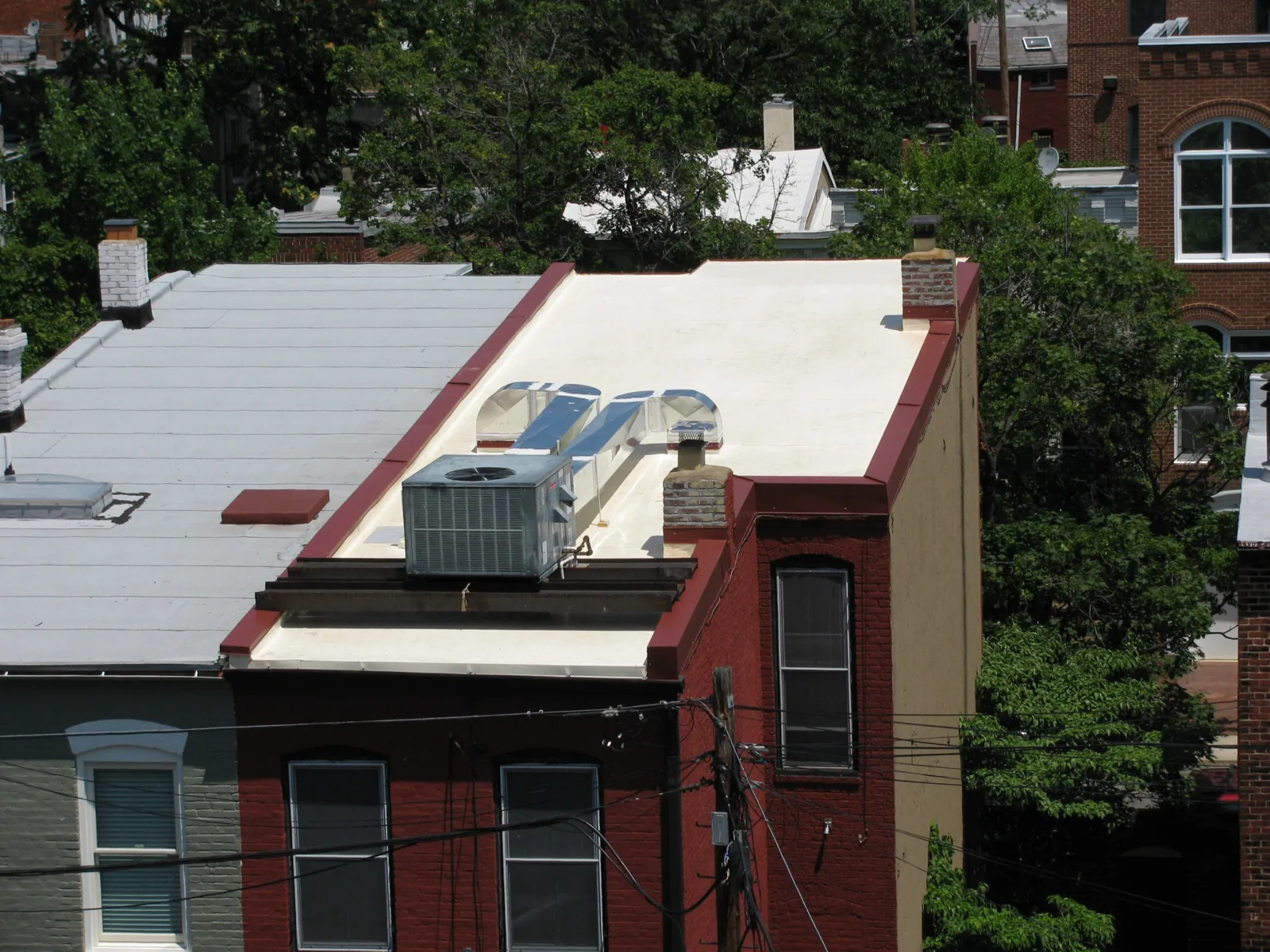
Resident access becomes harder when roof water affects a shared landing. The owner needs a correction tied to the connection above it. We assess apartment and multifamily roofing in Concord, NC. Reported water can come from roofing or another building system. We examine accessible covering, outlets and related details before proposing reconstruction. Our findings should make the roofing task clear enough to coordinate resident arrangements and other necessary work.
Multifamily development forms part of the Concord Entertainment Corridor's mix. Weddington Road Corridor planning also considers connections between existing and new neighborhoods. Those settings provide local context for occupied-building work. The actual property's roof and access still need examination. A multifamily water-entry investigation uses the reported room and timing to guide that visit. We establish which accessible roof condition needs attention. The owner coordinates resident information with the proposed examination and corrective boundary understood.
Organize the affected units and common areas
Several residents may describe water differently within the same building. The property participant should gather room positions and useful timing information. They do not establish the concealed entry path by themselves. We compare those reports with the roof arrangement and accessible connections. Examination may need a broader area than the room directly below. Any necessary interior access should be arranged with the owner before the visit proceeds.
A common stair, hallway or service room can introduce another access concern. Its use may need adjustment while water or roof work affects it. We explain the exterior task and any investigation opening proposed. Interior finish repair may belong to a separate participant. The completed roofing information should identify the physical connection corrected. Unresolved plumbing or equipment questions need their own next task. The owner can then communicate a specific work boundary instead of treating every indoor symptom as the same roof defect.
Examine transitions beside upper-level rooms
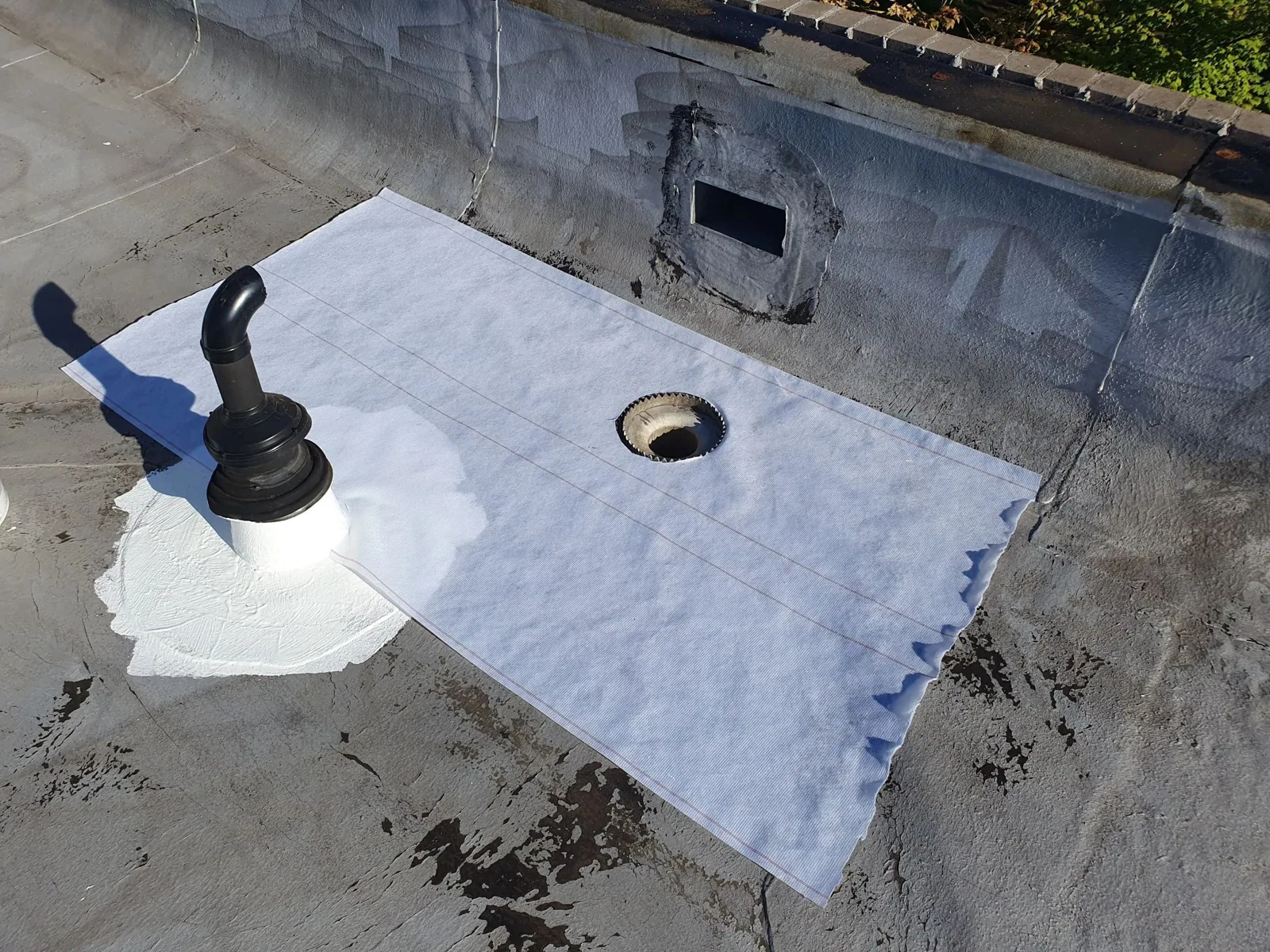
Roof-to-wall connections can admit water where covering terminates against a vertical surface. We examine accessible flashing and neighboring wall conditions. A cracked surface finish may conceal a different attachment or termination question. The correction needs suitable backing and retained material. Wall work can require another participant when the defect extends outside roofing. We identify that dependency in the scope. A new membrane finish against an unsuitable wall boundary would leave an important part of the assembly unresolved.
Upper-level patios or adjoining roof areas can complicate the water path. We assess the actual connection rather than infer its construction from the property type. Selected exposure may help establish concealed layers when authorized. That opening needs appropriate protection and reconstruction. A roof flashing assessment can define the necessary detail work. The owner should understand how it reaches the suspected entry point. Clearance, surrounding material and wall participation can all influence the final corrective boundary.
Provide clearance for shared rooftop services
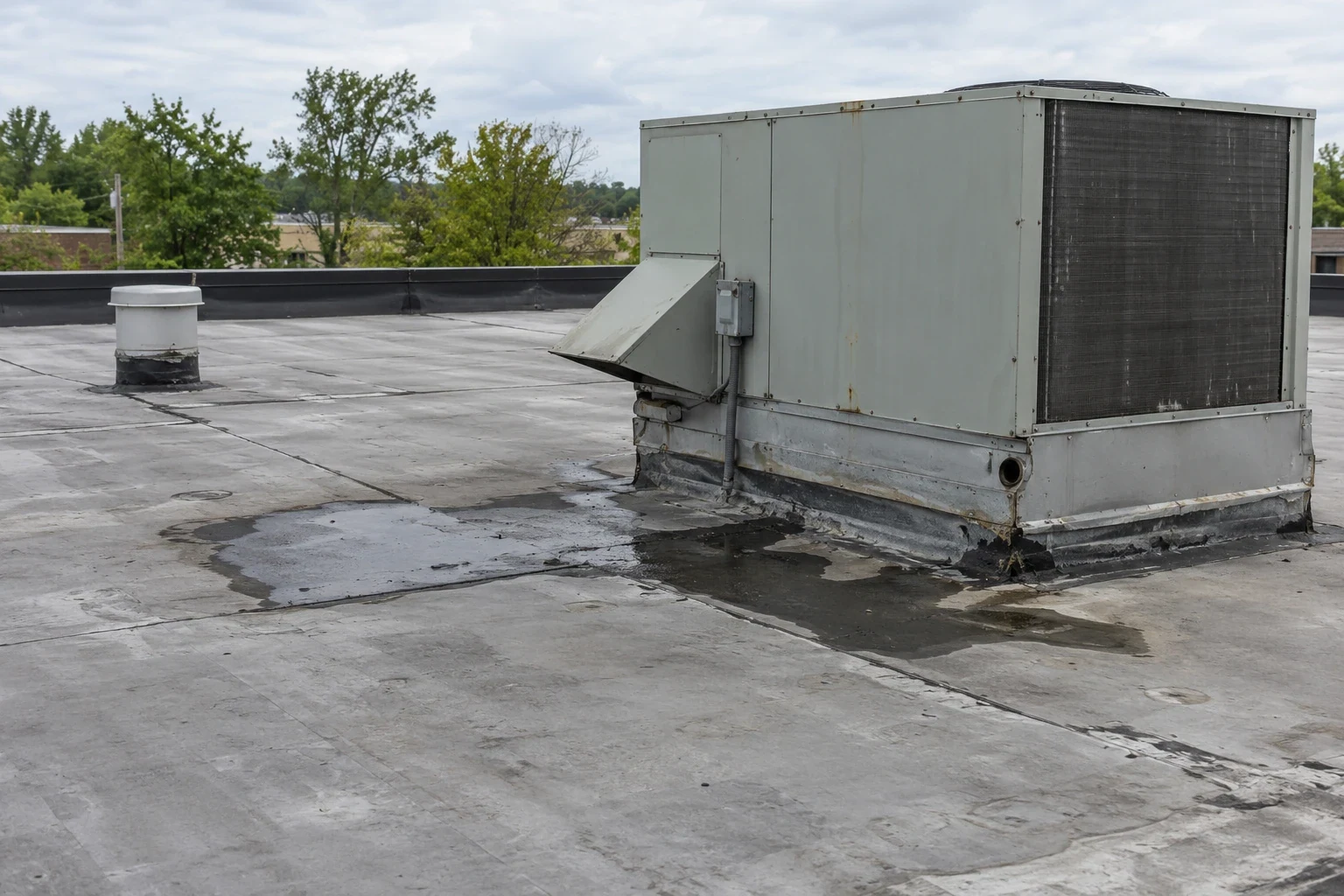
Shared equipment and pipe connections interrupt the roof covering. Their supports can also transfer movement or pressure into it. We inspect accessible penetrations and available repair space. The responsible service trade may need to move a component before flashing can be reconstructed. Its participation should be established with the property owner. Shared equipment roof coordination can identify the required interface. The permanent task needs to reach the affected connection rather than stop at an obstructing unit.
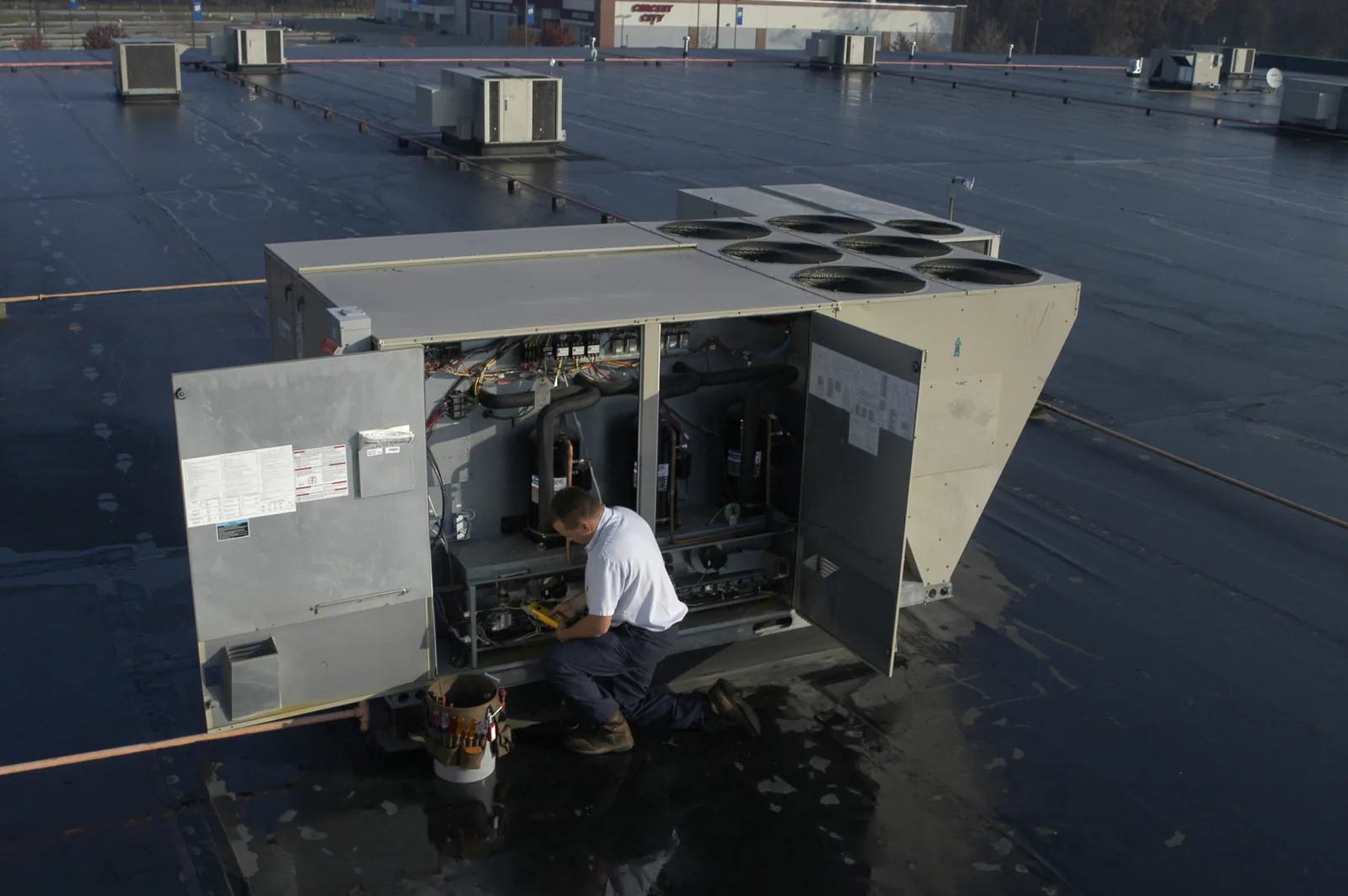
Equipment water may require a separate service investigation. Resident timing and related operating observations help direct the appropriate participants. We examine the roofing boundary while the service trade checks its components. New equipment can also change pipe routes or support positions. Those alterations need suitable roof details before installation is considered complete. Later participants should know where the reconstructed membrane requires protection. An ordinary service visit should not leave an unflashed opening or damage beside a previously corrected connection.
Keep runoff from adding another shared-space problem
Overflow at a collector can affect an entrance below it. A blocked outlet can also raise water against nearby roof details. We inspect the relevant discharge and adjoining covering. Clearing loose material may be necessary without resolving a failed joint. Persistent ponding can require slope correction or another assembly change. Downstream piping restrictions may need appropriate professional review. The proposed task should distinguish those findings. The owner needs to understand why a surface patch cannot correct every water-route problem.
Cabarrus County has hot summers as part of its local climate. Seasonal observations can help direct roof care, but current condition governs correction. We examine outlets and accessible details at the actual property. Multifamily outlet and scupper work can define a practical water-route task. Nearby equipment debris should not obstruct the completed discharge. The property participant needs continuing access for inspection and cleaning. A functioning outlet remains useful only when its route can be maintained after the initial reconstruction.
Coordinate the work boundary with resident movement
Material handling may affect parking, entrances or shared walks. We discuss the proposed staging and lifting positions with the owner. Resident notification needs to describe the actual access change. Required exits should retain an appropriate arrangement as work advances. A conveniently empty parking zone may still conflict with the handling method. We review those relationships before delivery. The plan should identify where people and material move during the roof task, including changes needed around removed roofing.
For work in the Weddington Road Corridor, we review lifting positions against the occupied entrance and shared walks. A hotel roof plan coordinates room availability beneath exposure; the apartment owner likewise needs the affected unit positions before arranging removal. Senior living roof work also connects protection with resident movement. The multifamily participant should identify the common route serving its affected units. We explain weather and concealed-condition dependencies so the agreed access arrangement can change when the protectable roofing boundary changes.
Define retention and removal before broader renewal
A localized defect can permit repair where surrounding roofing remains suitable. Wider deterioration may require a different decision. We assess the layers intended to remain beneath any new work. Wet insulation, damaged backing and attachment questions affect that assessment. A multifamily reroofing scope should explain necessary removal and reconstructed details. Insulation changes can alter wall or equipment relationships. Those resulting tasks belong with material selection in the complete project description.
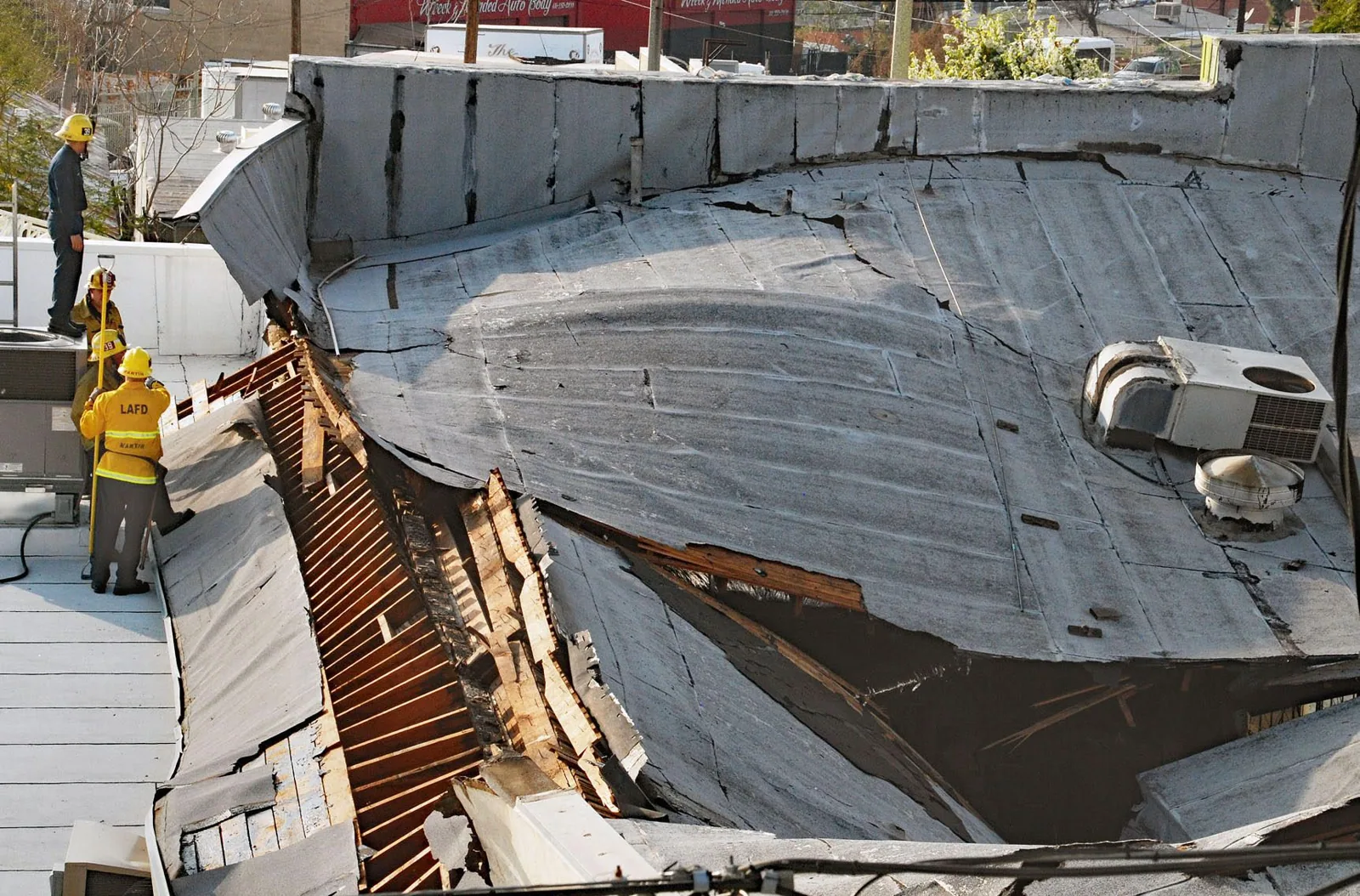
The daily removal boundary must suit both protection and reconstruction. The owner needs enough information to coordinate rooms or shared areas beneath it. Unexpected concealed damage can change the proposed sequence. We explain that possibility with the work method understood. Handoff information should distinguish completed roof connections from remaining interior or equipment tasks. Future alterations need compatible roofing attention where they disturb the assembly. New resident water reports deserve focused examination. Their location and timing can guide the next visit without assuming the previous defect has returned.
Commercial Roofing Questions
Should reports from adjoining apartments be grouped into one roof repair?
Compare their positions and timing before establishing a corrective boundary. Water can move through concealed layers, while separate building systems can create similar symptoms. We inspect the relevant roof arrangement and explain useful further access. The scope should follow the connection found. Several reports alone do not determine whether one detail or a wider assembly needs work.
What should resident notices explain about roofing access?
Identify the actual entrance, parking or common-area change associated with the planned task. We describe staging, lifting and removal needs for the owner. Weather or concealed findings may require an adjustment as work proceeds. The responsible property participant handles the resulting resident communication. The notice should reflect the agreed access arrangement rather than a general assumption of unchanged use.
Can shared rooftop equipment remain during a flashing correction?
Its position must allow access to the termination needing repair. We examine available clearance and retained roofing first. A service participant may need to lift or disconnect the component. The owner should coordinate that task before reconstruction begins. A suitable permanent detail needs access around the affected interface, not simply a patch along the equipment's visible side.
How does the owner distinguish roof work from interior restoration?
The roofing scope identifies the exterior connection and assembly layers being corrected. Ceiling or wall finish repair can remain with another participant. Equipment and plumbing questions may also need separate examination. We explain those boundaries after the physical findings are established. The owner can then coordinate continuing tasks without assuming the completed roof connection resolves every affected room condition.
Assess the multifamily roof and access
Arrange a Concord apartment roof visit. Identify affected units or common areas, service contacts and resident access requirements so we can examine the roof.