Home / Industries We Serve / Insurance Restoration
Commercial Roofing for Insurance Restoration in Concord, NC
Assess Concord insurance restoration roofing with damage findings and work boundaries clear. We examine roof condition and explain repair or renewal scope.
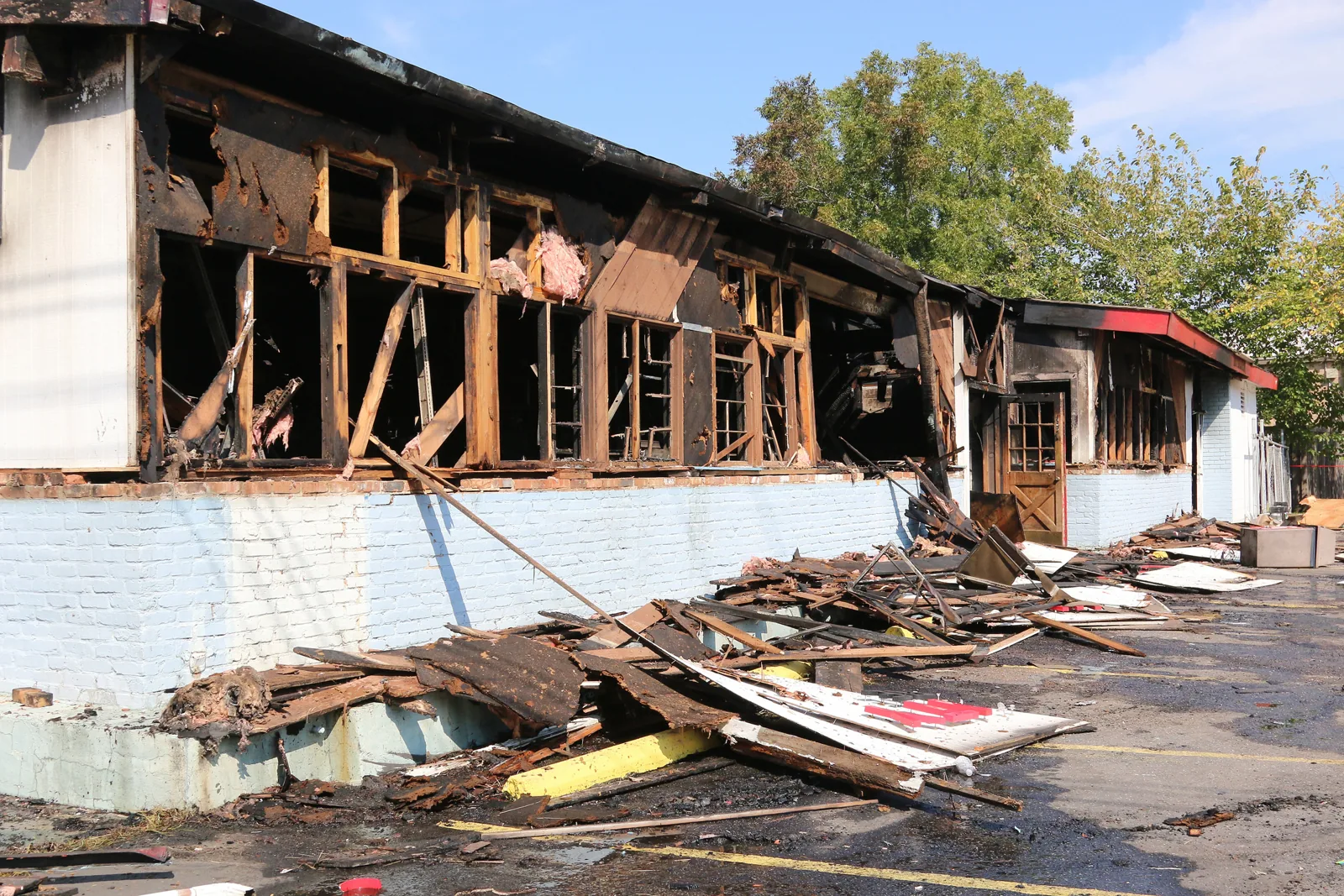
Temporary water protection can leave an occupied room waiting for a permanent roof decision. The next task needs to establish the connection requiring reconstruction. We assess commercial roofing for insurance and restoration work in Concord, NC. Physical findings should distinguish accessible damage from conditions needing further examination. The owner identifies affected space and responsible access participants. We explain the roof boundary and relevant reconstruction. Claim coverage and payment decisions remain with the appropriate policy participants. A weather report alone does not establish damage at the particular building.
Downtown Concord has a municipal service district supporting redevelopment. Kannapolis includes science and education activity around the North Carolina Research Campus. Those commercial and institutional settings can involve different occupied-space needs. A restoration roof condition assessment establishes the building's actual assembly. The participant should identify observed changes, timing and related service activity. We define correction or investigation from the physical findings obtained. The proposed scope should explain what roof work addresses rather than assume every condition followed the same event.
Separate temporary measures from permanent reconstruction
Temporary protection can help address an immediate opening within an appropriate arrangement. It should remain distinguishable from the permanent roof task. The operator establishes occupied-room requirements below it. We examine the relevant covering and useful adjoining details when access is suitable. Weather and available working clearance affect what can be addressed. A temporary finish does not establish the condition of concealed layers. Further examination may be needed before a permanent material connection is selected. The scope should identify that task clearly.
Emergency roof response coordination starts with the affected position and available examination access. The owner should identify personnel, goods or equipment below the opening. The proposed method should explain its protective boundary. Interior restoration may need another participant after exterior entry is corrected. Equipment or plumbing can also introduce a separate water question. We distinguish the roofing finding from those continuing tasks. A complete room response can require more than one participant, even when the immediate exterior protection has been arranged.
Describe observed damage and retained condition precisely
An accessible examination may identify punctures, displaced edges or open flashings. It can also find deterioration that requires a different reconstruction decision. We describe the physical condition without assigning every detail to one cause. Existing assembly information can help when compared with current findings. Selected exposure may be useful for concealed moisture or supporting material. The owner should approve the selected opening and the roofing task that reconstructs it afterward. The owner should understand what that investigation establishes. A surface photograph cannot reveal every layer affected beneath a visible opening.
Storm-related roof examination checks covering, attachment and connected details. During September 2024 Helene, Charlotte Douglas measured a gust of 57 mph. Wind-related assessment should reach lifted edges and adjoining terminations, not only the displaced surface piece. Estimated one-inch hail occurred about five miles west of Concord on March 28, 2010. Hail examination looks for impacts and useful investigation of affected layers at the building involved. We describe the accessible condition and reconstruction it supports. Appropriate claim participants review coverage under their applicable arrangements.
Roof findings for restoration review should make the corrective boundary understandable. A failed connection may have suitable neighboring material for repair. Wet insulation or damaged backing can enlarge necessary removal. The work description should identify those layers and preparation. Any unresolved concealed question needs a useful next examination task. Permanent reconstruction should follow the condition established. A broad event description or material name would leave that practical work boundary unexplained.
Coordinate the equipment and interior task boundaries
Rooftop equipment can obstruct the flashing needing correction. We assess the accessible termination and useful clearance. Its mechanical trade should establish how the component can be shifted to expose that termination. The owner coordinates that dependency with the occupied space understood. A visible perimeter treatment reaches different limits from reconstruction beneath installed equipment. The roofing proposal should explain which boundary can be completed. Another component's return to service does not establish that every concealed roof detail was reached. The participating sequence needs enough access for the permanent connection.
Restoration contractor roof coordination identifies which wall, service or interior task enables completion. The roof-to-wall interface may require backing reconstruction by another participant. We explain that dependency before the connection is concealed. Managed property restoration access identifies tenant entry and authorization contacts. The owner should establish those arrangements where examination reaches another occupied area. The proposed roof work remains separate from room restoration. Each necessary participant should understand what the exterior correction addresses and what further work belongs in its own scope.
Choose the correction from the assembly findings
A localized defect can allow repair where adjoining material remains usable. Wider deterioration may require examination across a larger area. Attachment, moisture and support condition influence that decision. Permanent restoration roof repair should identify suitable preparation and retained layers. Another finish cannot make unsuitable backing sound. The owner should understand why removal reaches beyond the visible cut. Selected exposure can help establish that boundary when approved. Its opening needs an appropriate reconstruction arrangement after examination.
Restoration reroofing evaluation should explain necessary detail and discharge changes. Added insulation may alter heights at equipment or walls. Those tasks belong beside covering selection in the complete proposal. Confirm requirements for the proposed removal, retained layers and interface changes with the authority before installation. The scope should distinguish permanent reconstruction from temporary protection. Similar descriptions may include different removal or participating tasks. The owner and appropriate claim participants need the physical work boundary clear enough to review those distinctions without assuming a coverage outcome.
Arrange handling and later care at the actual property
Deliveries, lifting and removed material need agreed positions. The owner identifies occupied entrances and service requirements. We explain the handling zone for the proposed roofing method. Required exits deserve appropriate attention. At a property around Downtown Concord, we review its actual approach and available roof access. Weather or concealed damage can change the daily reconstruction area. The operator should understand that adjustment before it affects the agreed room arrangement. Each exposed boundary must remain suitable for protection and completion.
At completion, describe the permanent roofing boundary and the restoration work still assigned to other participants. New service openings need a planned connection with that installed assembly. Outlet access needs to remain available for care. A fresh water symptom should be reported with its location and useful timing. We examine the relevant condition rather than treat every later report as the original defect. The completed exterior scope should remain distinct from policy decisions and other restoration work. That clarity helps the owner coordinate subsequent activity with the installed roof understood.
Commercial Roofing Questions
What roof connections should be examined during storm restoration review?
Inspect the covering and details associated with reported changes. Lifted edges can affect adjoining attachment, while impact openings may expose concealed layers to water. We assess usable neighboring material and useful further investigation. The reconstruction scope should identify the physical defect corrected. Appropriate claim participants review coverage separately under the applicable policy arrangement.
What should remain clear after temporary roof protection is arranged?
Identify the boundary addressed and the permanent examination or reconstruction still needed. We explain accessible findings and useful further access. Concealed wet layers can require another material task. The owner coordinates occupied-room and service arrangements. Temporary protection should not be interpreted as completion of every roof, interior or equipment condition involved in the water report.
Why can a restoration roof repair require removal beyond visible damage?
A permanent connection needs usable adjoining material and support. Wet insulation, unsuitable treatments or damaged backing can enlarge the task. We identify the supported boundary and useful selected examination. Its opening needs an appropriate closure plan. The owner should understand what the reconstruction addresses rather than assume the visible cut defines every affected layer.
Who decides whether the described roof work is covered by insurance?
The appropriate policy and claim participants review coverage under the applicable arrangement. We explain the physical roof condition and proposed corrective scope. Removal, retained layers and participating equipment tasks should remain clear. A repair description does not establish payment or coverage. The owner can coordinate reconstruction with those decisions understood through the responsible participants.
Review the restoration roof boundary
Arrange a Concord restoration roof assessment. Identify the affected occupied position, observed changes and responsible access participants so we can examine the corrective task.