Home / Roof Damage Repair / Commercial Heat and UV Roof Damage Repair
Commercial Heat and UV Roof Damage Repair in Concord, NC
Assess weathered commercial roof material in Concord. We examine exposed covering, joints and receiving layers before selecting repair, restoration or renewal.
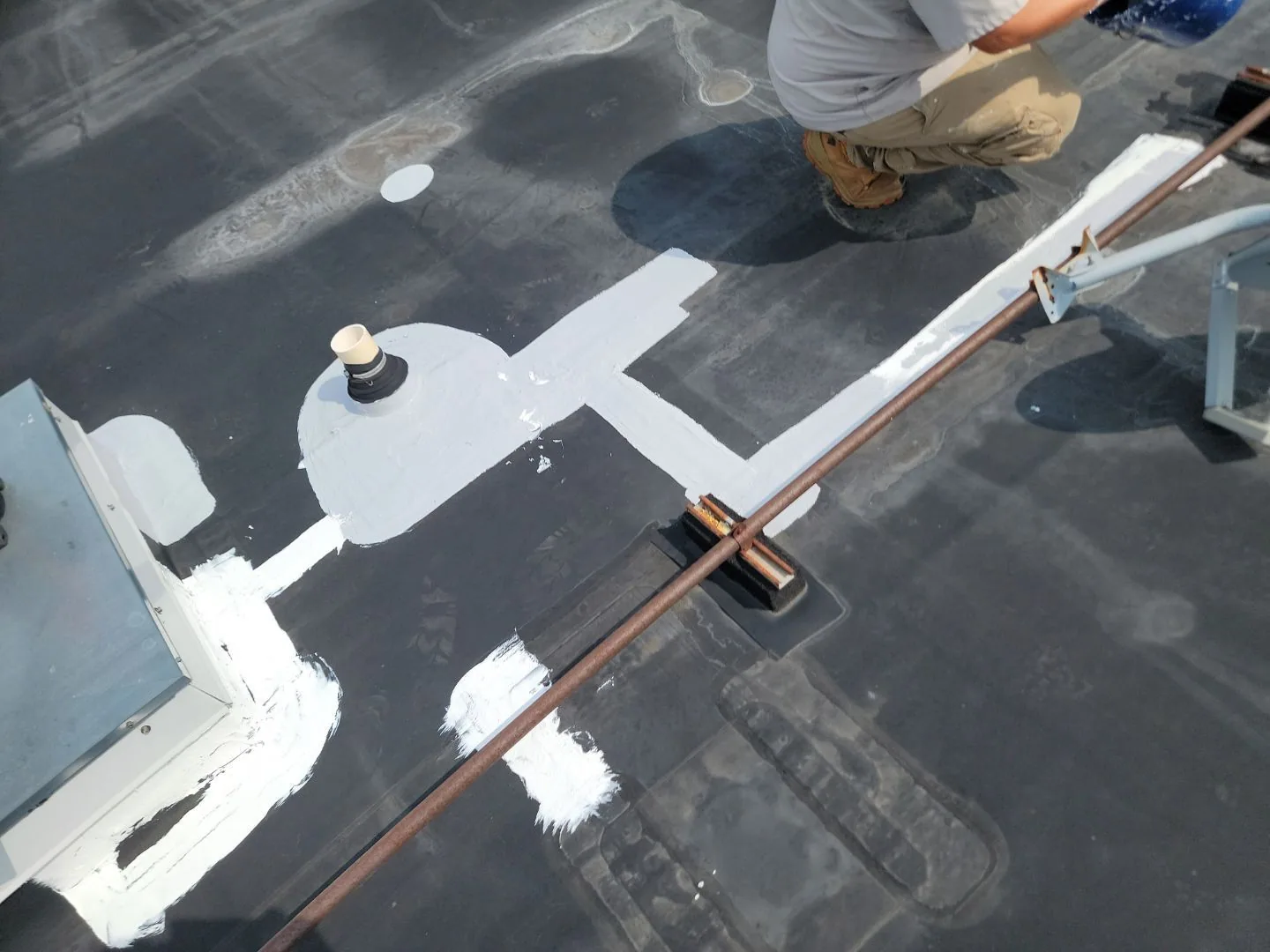
Cracking near an exposed roof transition can make another small repair difficult to connect. The surrounding material may no longer receive the task proposed. We assess commercial heat and UV-related roof deterioration in Concord, NC. The examination considers accessible covering, joints and installed material. We explain the condition affecting retention before choosing repair or restoration. The operator identifies recurring entry and recent equipment activity. The useful scope should describe preparation and the material boundary being reconstructed. A brighter finish alone cannot establish that deteriorated roofing remains suitable beneath it.
Charlotte's 1991-2020 July normal average high is 90.3 degrees Fahrenheit. Warm-season roof work needs preparation and installation conditions suited to the selected material. Concord's business parks offer immediate access to I-85. The NC 73 plan links land-use decisions with transportation across its participating communities. At a commercial property, service routes and equipment connections need examination alongside the exposed covering. The actual material condition determines whether another local tie-in is useful.
Distinguish weathered appearance from a failed connection
Surface change deserves examination in relation to the installed assembly. We assess accessible cracking, separation and other deterioration. Appearance alone does not select a removal or restoration method. Relevant material information can help establish appropriate preparation. Older treatments may hide a joint or limit the receiving surface. The owner should understand which physical condition requires correction. If the surrounding covering is unsuitable, another small application may leave a weak boundary. We explain useful further assessment before choosing the permanent reconstruction extent.
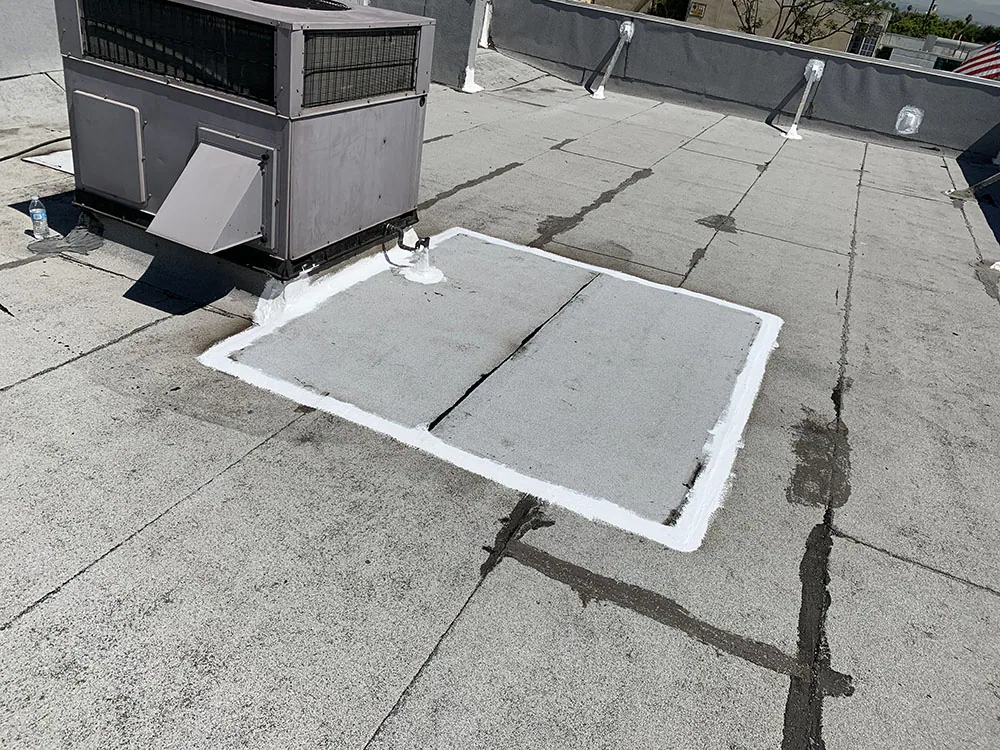
Several defects can appear near the same equipment position. A torn joint and a weathered wall termination may require different tasks. Rebuilding a deteriorated membrane joint needs preparation and retained material appropriate to that connection. Repair at a weathered roof transition should assess receiving construction and the adjoining wall or curb. We identify those distinct interfaces. The scope should not conceal separate failures beneath a treatment selected only for the field surface.
Test the usefulness of the retained repair boundary
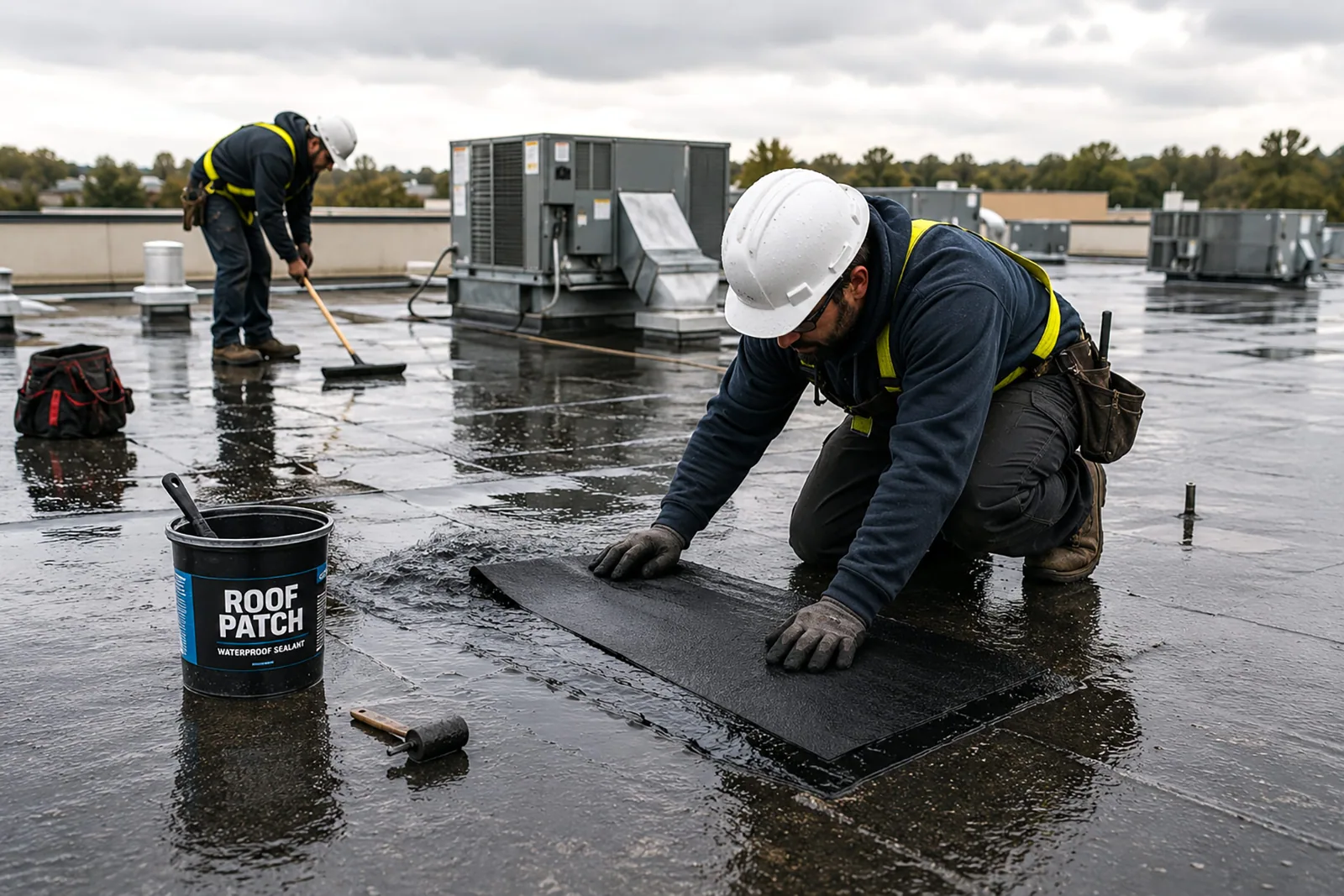
A local repair must reconnect with usable surrounding roofing. We assess the accessible material beyond the visible defect. Brittle, split or unsuitable receiving areas can require a larger reconstruction boundary. The preparation method should suit the installed covering and existing treatments. Selected examination may be useful where concealed material affects retention. The owner authorizes that opening with a suitable protection and reconstruction arrangement. We explain what further findings could change. The task should not stop at an arbitrary strip width when deterioration extends farther.
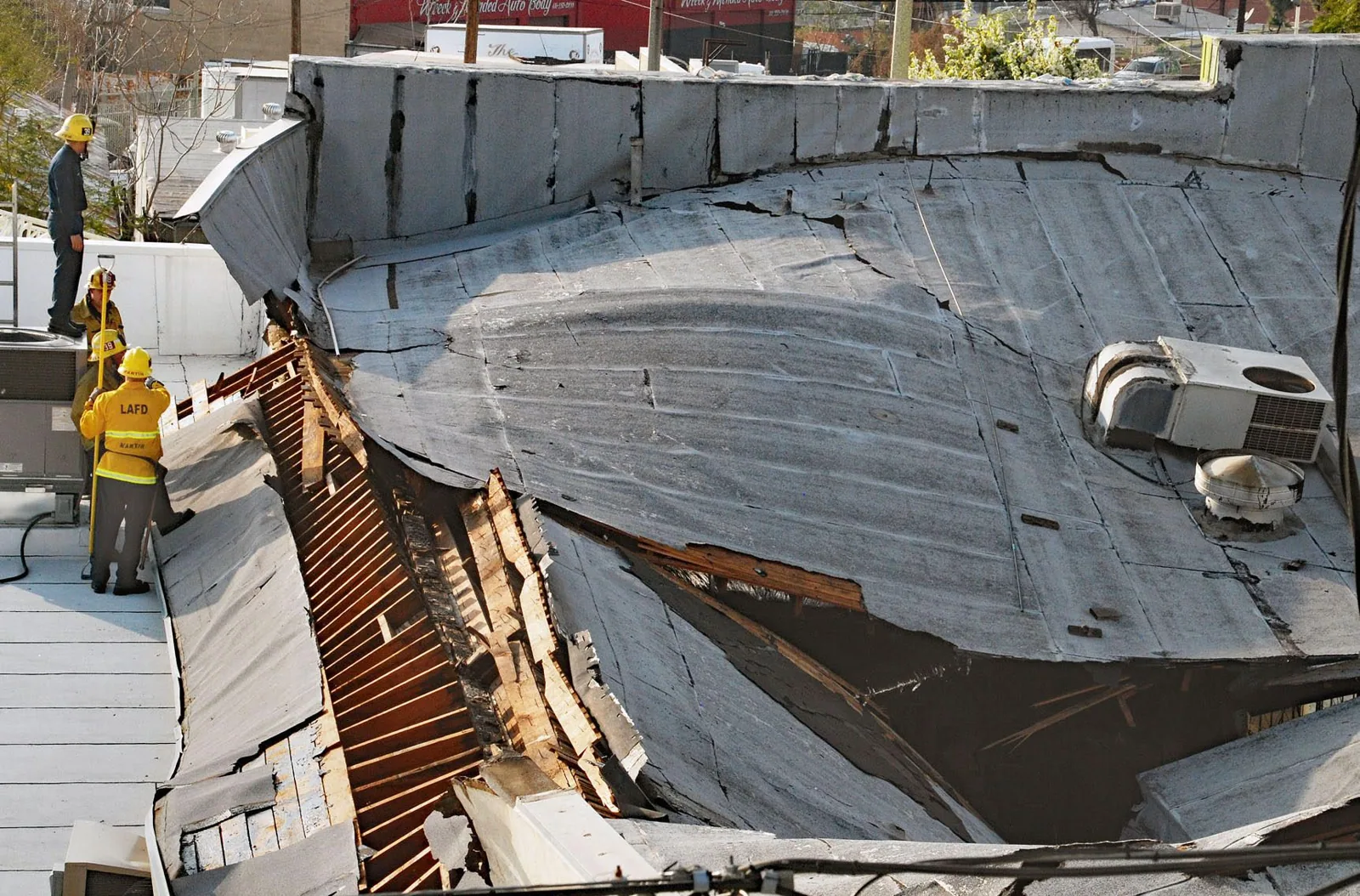
A localized weathered-roof correction can remain useful where the surrounding assembly supports it. Recurring failures across a larger area may change that choice. We examine accessible joints, penetrations and terminations serving the reported position. Established underlying damage also matters. A surface connection cannot restore compromised insulation or receiving construction below it. The findings should explain the physical work needed and the useful next assessment. The owner can then compare a narrow repair with broader reconstruction on the same defined area.
Evaluate restoration before adding a new finish
A restoration system needs a suitable roof to receive it. We assess accessible condition and useful assembly information. Existing moisture, loose material and defective connections require attention before the finish is selected. Preparation and compatibility matter at the retained surface. The proposed scope should identify those tasks rather than present a coating as a correction for every kind of deterioration. Profile and discharge also need examination where collected water affects the area. The owner should understand which roof conditions are corrected and which remain unsuitable for retention.
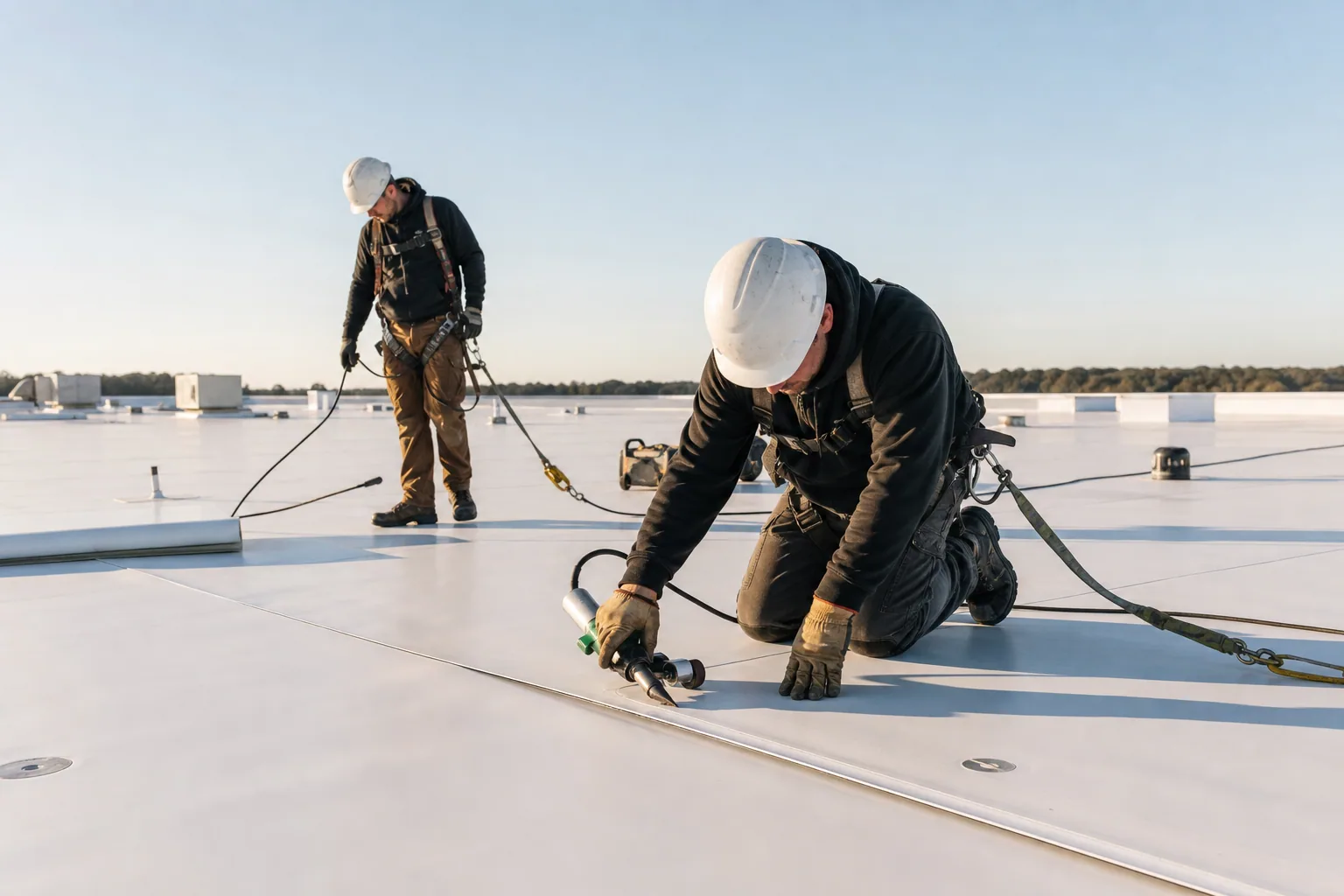
Restoration of a suitable retained roof can coordinate prepared surfaces and reconstructed details. A proposed reflective finish should be considered with the actual assembly and material requirements. It does not remove concealed moisture or replace damaged backing. The useful comparison includes preparation, detail work and continued inspection access. Where the receiving roof cannot support that task, wider renewal may be needed. We explain that concern through the material condition found rather than treat the proposed finish as the decision itself.
Arrange service activity around weathered covering
Equipment handling can damage material that is already deteriorated. We review the accessible route and proposed work position. The operator identifies components moved across the roof and recurring service needs. Tools and sharp debris should not remain where they can cut the covering. Suitable protection may be needed for the handling method. An obstructed repair boundary can require clearance by the responsible equipment participant. We identify that dependency before permanent reconstruction begins. The connection needs access for preparation rather than a narrow reach around an installed obstruction.
Near the NC 73 corridor, deliveries and roof access should be arranged around the property's actual service approach. We assess material positioning with the operator. Hot-weather installation still needs conditions suited to the selected materials and task. The proposed daily opening must remain practical to protect and reconstruct. Care of exposed joints and service routes can help preserve usable connections after the corrective work. New equipment alterations should coordinate any resulting roofing detail changes.
Connect broader renewal with the affected interfaces
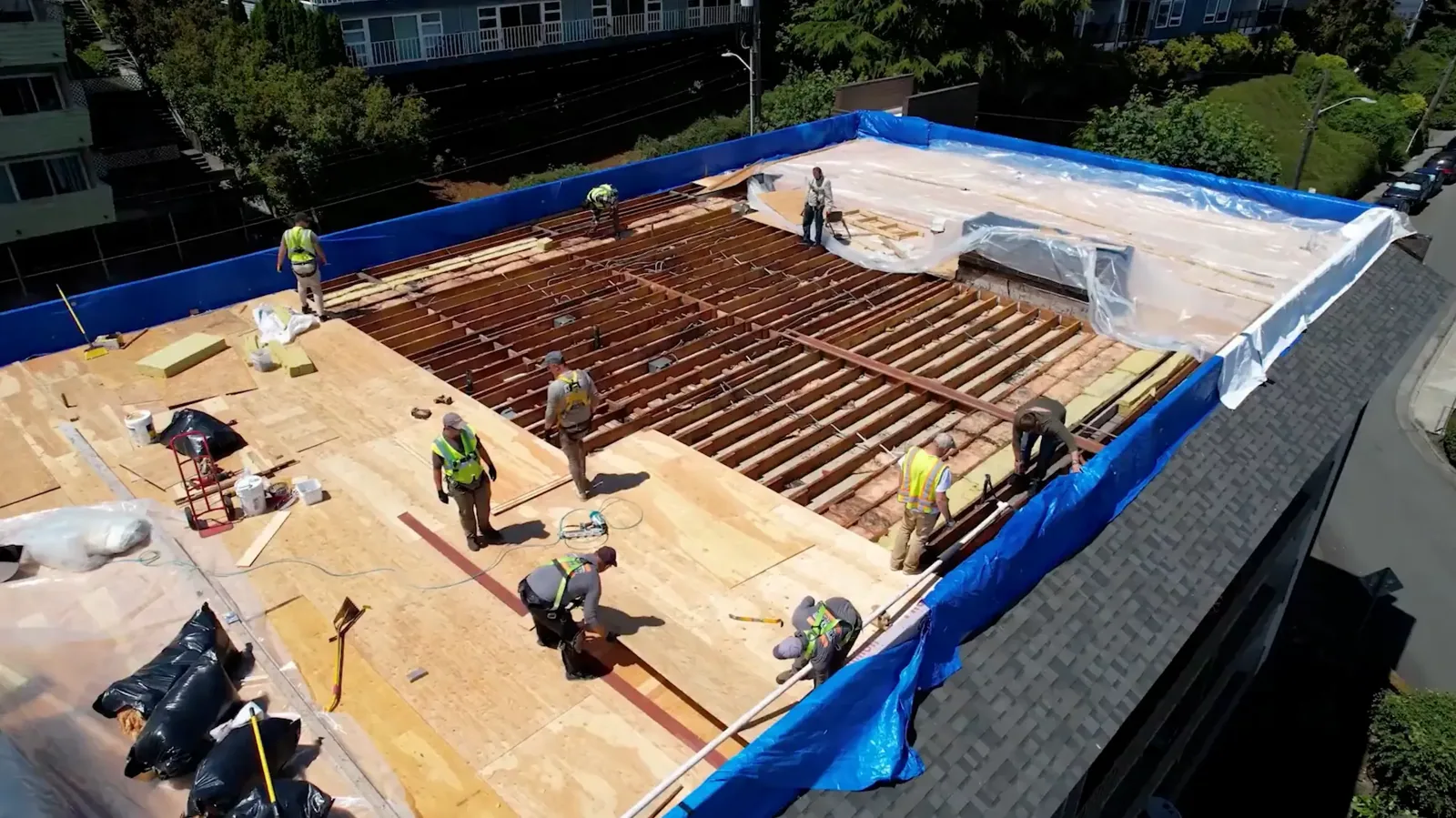
Widespread deterioration may make continued local repairs unsuitable. We explain accessible condition and further examination needed to define removal. Moisture, attachment and receiving-layer condition influence retention. Renewal of a weathered roof area should coordinate covering with walls, curbs and outlets. A changed insulation profile can affect those details. Applicable design and permit requirements need review for the proposed reconstruction. The owner should compare the entire scope rather than choose the covering without its connected material and interface tasks.
Completion information should identify the reconstructed area and retained assembly. Continuing access needs to preserve the new connections. Later service participants should understand where protection or another detail task is needed. The operator should report new water entry with occupied location and useful timing. Its examination can follow the relevant roof position and intervening alterations. A weathered surface elsewhere may need a separate assessment. The owner should understand that boundary and the practical care arrangement for the completed work.
Commercial Roofing Questions
Does a weathered surface automatically need full roof replacement?
The installed assembly and physical condition need examination. A local repair or restoration may remain useful where the receiving material is suitable. Wider deterioration, moisture or damaged backing can change retention. We explain the accessible findings and useful further assessment. The owner should compare a defined construction scope rather than decide from surface appearance alone.
Why can another repair fail to connect with older material?
The retained covering may be brittle, contaminated or otherwise unsuitable for the proposed method. Existing treatments can also limit preparation. We examine material beyond the visible defect and identify a usable boundary. Removal may need to extend farther than the apparent crack. The scope should explain receiving-layer work and the connected detail being reconstructed.
Can a reflective coating correct deteriorated material beneath it?
A finish cannot restore damaged backing or remove concealed moisture. We assess the roof's suitability for retention and identify preparation and detail repairs. The proposed system needs a compatible receiving assembly. Profile or discharge problems may require separate reconstruction. The owner should understand those tasks before selecting restoration instead of broader renewal.
What should later equipment visits account for after roof repair?
Service participants should preserve the reconstructed connection and avoid damaging its receiving material. We review useful access and protection with the operator. Alterations through the repair area may need another roofing task. Debris should be removed from covering and discharge positions. New water reports deserve examination of the affected position and changes made since completion.
Assess the weathered repair boundary
Arrange a Concord weathered-roof assessment. Identify the recurring symptom, occupied position and available access so we can examine material and connections.